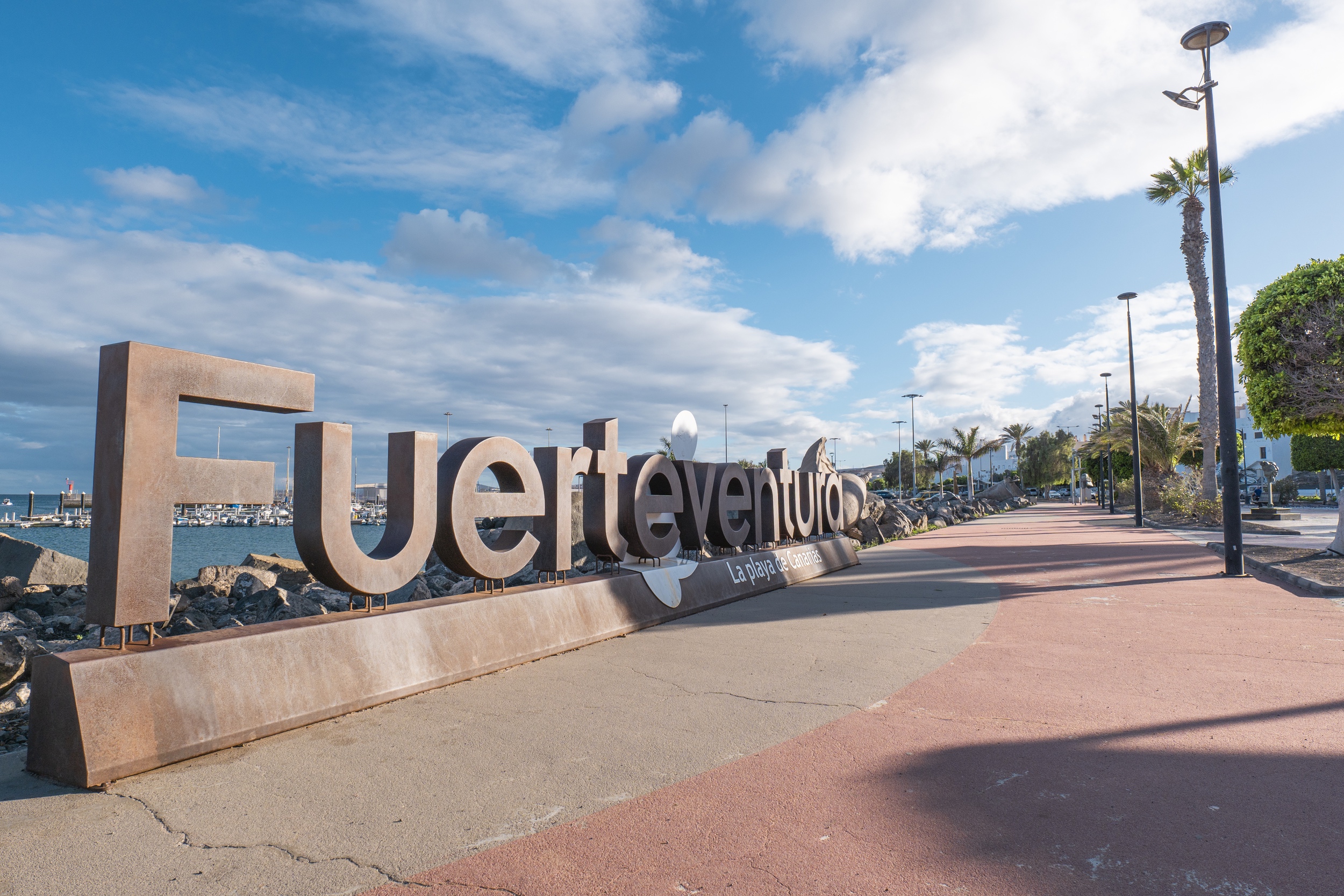
A stay in Fuerteventura would not be complete without visiting its capital. Puerto del Rosario is the capital of the island since 1860, when it replaced Betancuria as administrative center. Since then, the city has grown progressively to become the main city of Fuerteventura, concentrating public institutions, the commercial port and the island’s airport, main gateways for people and goods.
Although it is a relatively modern city, its origin dates back to a small hamlet known as Puerto Cabras. The construction of the port at the end of the 18th century boosted the settlement of the population and economic development linked to trade and lime. Today, Puerto del Rosario is a lively capital, with about 40,000 inhabitants, which stands out for its cultural agenda, its urban beaches and its functional and close character.
When the day is not suitable for touring coves or there is calima, the capital becomes an excellent alternative plan -or complementary- to enjoy Fuerteventura from a more urban perspective.
The first walk: Primero de Mayo Street
To take the pulse of the city, the ideal place to start is on Primero de Mayo Street, the main pedestrian and commercial axis. Here you will find stores, cafes, restaurants and terraces, and it is a regular meeting point for both residents and visitors. From this street you can easily access many of the main cultural and heritage sites of the capital.
Heritage and culture in Puerto del Rosario
Church of Our Lady of the Rosary
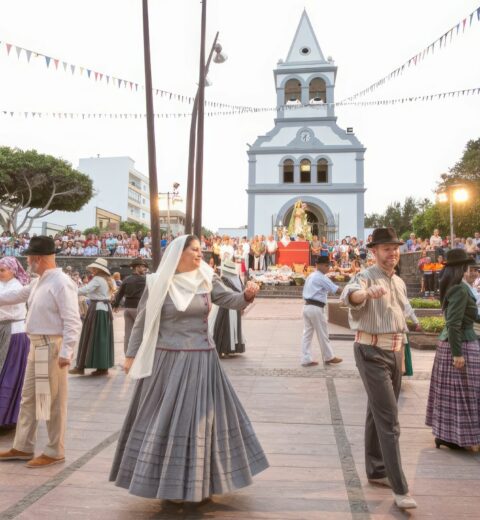
Located on Primero de Mayo Street itself, the Church of Our Lady of the Rosary is the main parish church in the city. Its construction began in the early nineteenth century and the present building was completed in 1931. It has been declared an Asset of Cultural Interest, being one of the historical and religious references of the municipality.
Unamuno House Museum
The House Museum of Unamuno is located in the former Hotel Fuerteventura, where Miguel de Unamuno lived during his exile to the island in 1924, during the dictatorship of Primo de Rivera. The space preserves personal belongings, documents and explanatory panels that help to understand the writer’s relationship with Fuerteventura and the historical context of his stay.
Lime kilns
The presence of limestone rock led to the construction of numerous kilns for the production of lime, a key activity between 1940 and 1970. Puerto del Rosario became known as the Port of Lime, exporting this material to the rest of the archipelago. The Interpretation Center of the Lime Lime Kilns of El Charco allows visitors to learn about the economic and industrial importance of this period.
Sculpture Park, the city as an open-air museum
The Puerto del Rosario Sculpture Park turns the capital into the well-known City of Sculptures. It gathers more than 190 works distributed throughout the urban space, many of them coming from the International Sculpture Symposium, integrating contemporary art into everyday life.
Training and Congress Center
Located on the seafront, the Palacio de Formación y Congresos de Fuerteventura is one of the most modern buildings in the city. It hosts congresses, shows and large cultural events, with an auditorium with a capacity of approximately 1,500 people.
Beaches of Puerto del Rosario: city and sea without renouncing to anything.
Puerto del Rosario allows to combine urban culture with beach, something unusual in many island capitals.
- Los Pozos BeachThe most central beach, next to the Palacio de Congresos. It has complete services, universal accessibility and family atmosphere.
- Playa Blancaless than two kilometers to the south, golden sand, little crowded and with all the services.
- Beach of the CaletillasSemi-wild sandy beach in process of improvement, very frequented by surfers.
- Puerto Lajasblack sand beach with a strong fishing tradition and excellent conditions for windsurfing, surfing and kitesurfing.
- Beach of Puertito de los MolinosSmall sandy beach in a charming fishing village, ideal for an excursion from the capital.
- Jarugo or Jarubio beach: a wild paradise on the west coast of Fuerteventura:
Local gastronomy and daily life
Puerto del Rosario maintains an identity far from mass tourism, which allows you to enjoy an authentic Canarian gastronomy. In its restaurants and taverns it is common to find majorero cheese with PDO, fresh fish, goat meat and traditional dishes accompanied by Canarian wines. The gastronomic offer is distributed mainly in the city center and areas such as El Charco or the promenade.
Leisure, shopping and family plans
In addition to beaches and culture, the capital offers shopping areas such as Primero de Mayo, León y Castillo, Virgen de la Peña or Juan de Betancourt. For families, there are options such as surf courses, escape rooms or the Gran Karting de Fuerteventura, with 1,000 meters track, children’s karts and two-seater.
In the surroundings, the visitor can complete the experience with spaces such as the Ecomuseum La Alcogida, the Molina de La Asomada or cultural tours through Ampuyenta and Tetir, where some of the best examples of traditional Majorero architecture are preserved.
A capital city to be discovered at a leisurely pace
Puerto del Rosario does not compete with the major tourist enclaves of Fuerteventura, and therein lies its greatest attraction. It is a functional, cultural and close capital, perfect to know the island from the inside, combining city and beach, and understand the history and daily life majorera beyond the topics.
A place that is not always visited first, but that many end up remembering with special affection.