Los Pozos Beach
Playa de Los Pozos: urban coastline and memory of the growth of Puerto del Rosario
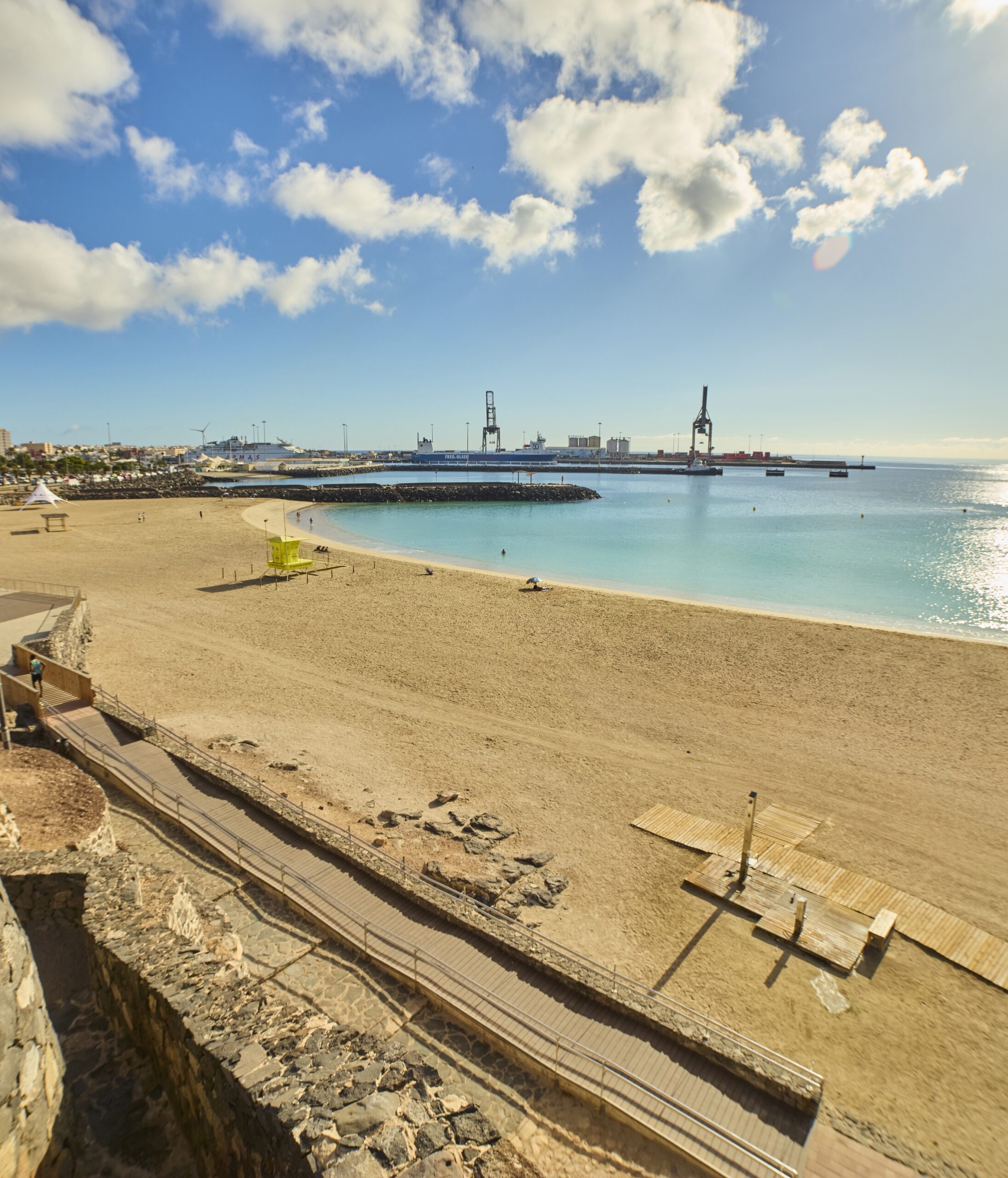
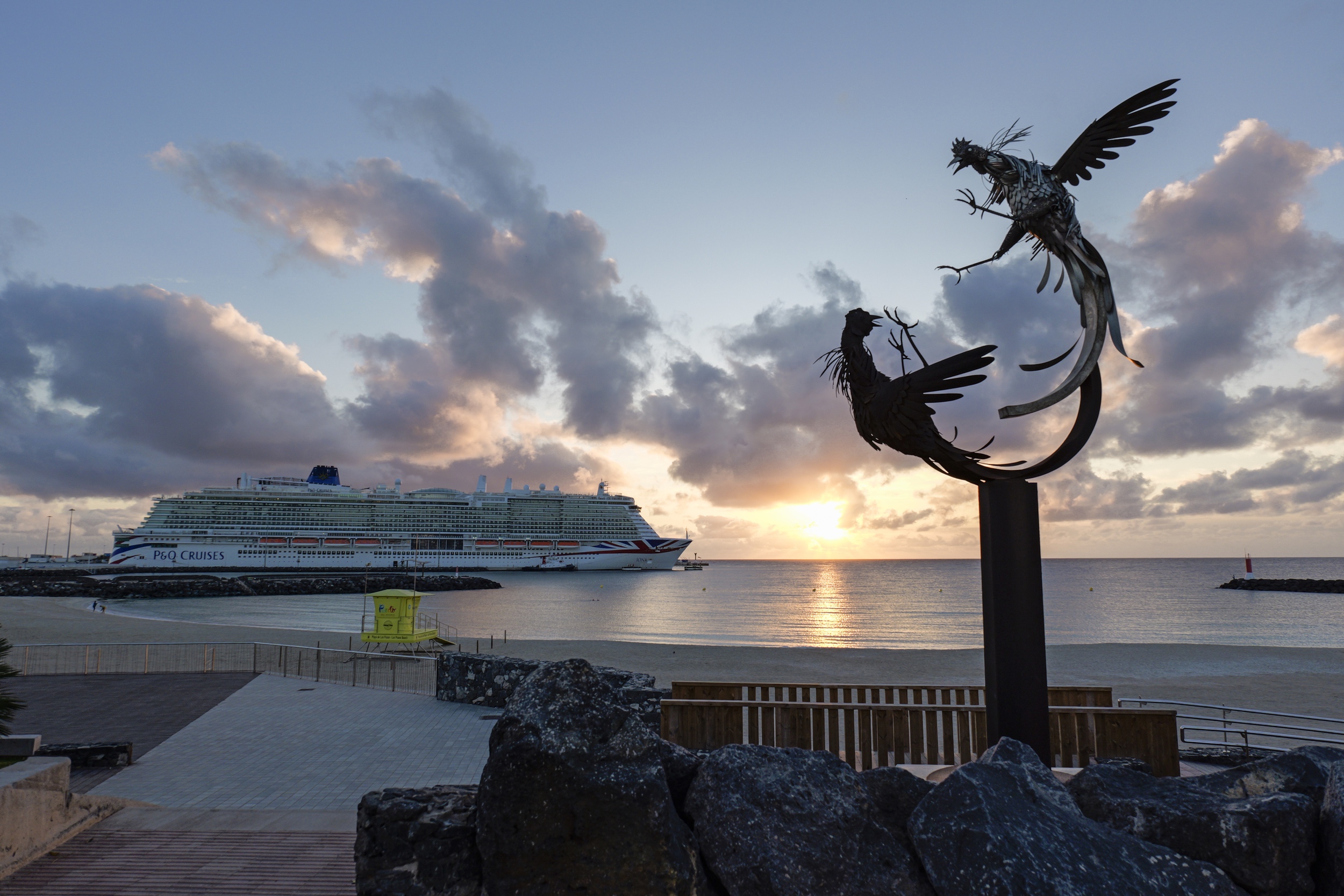
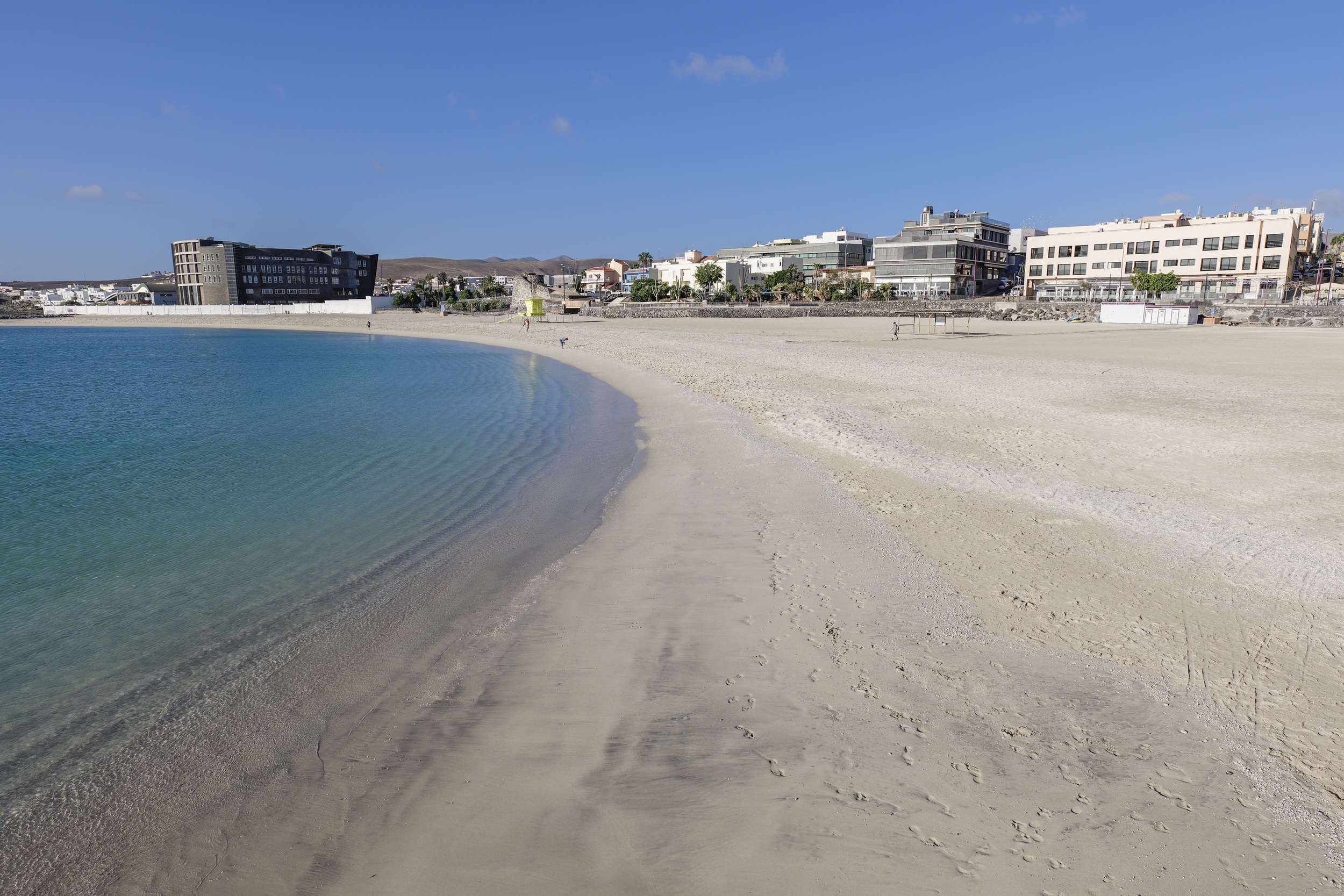
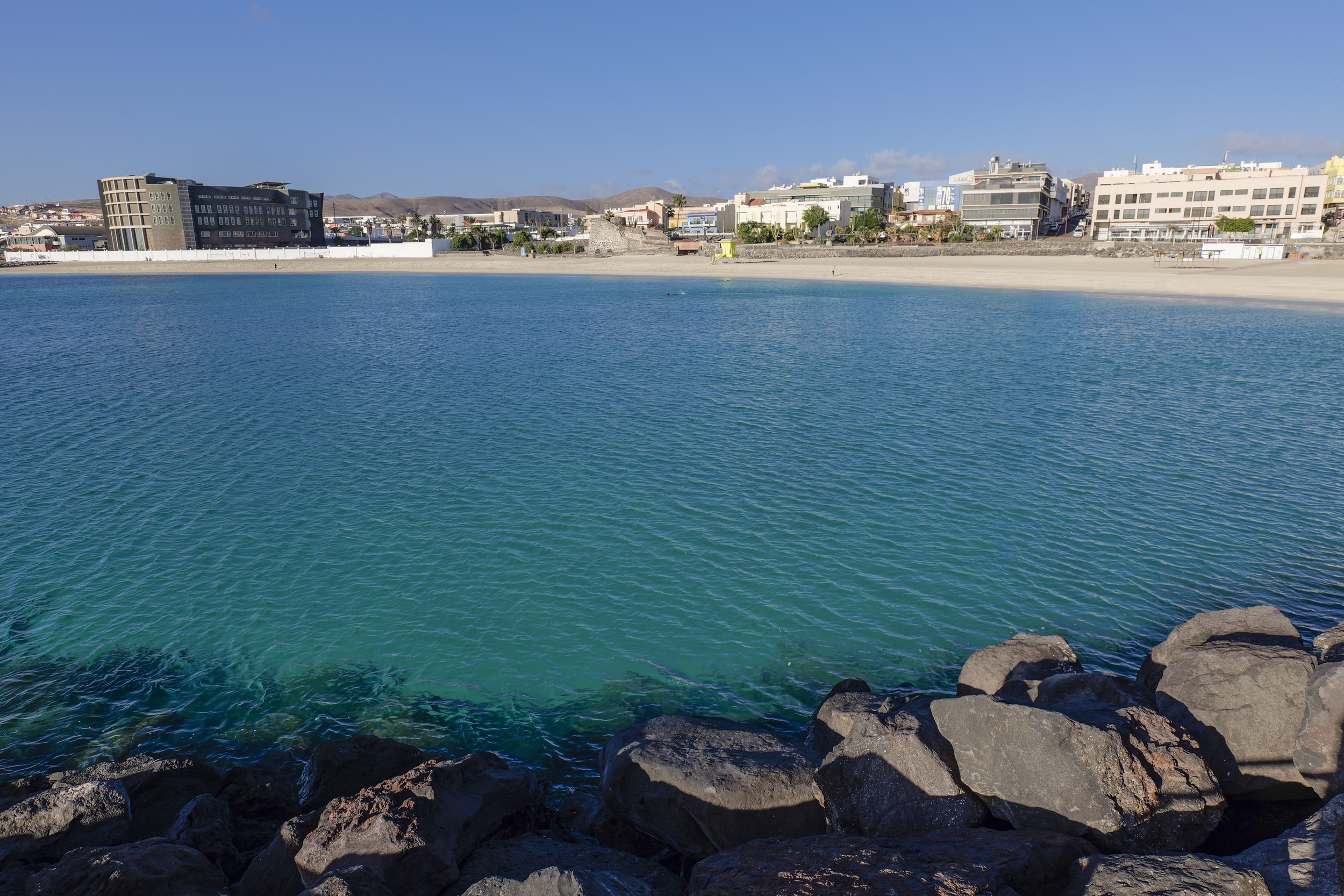
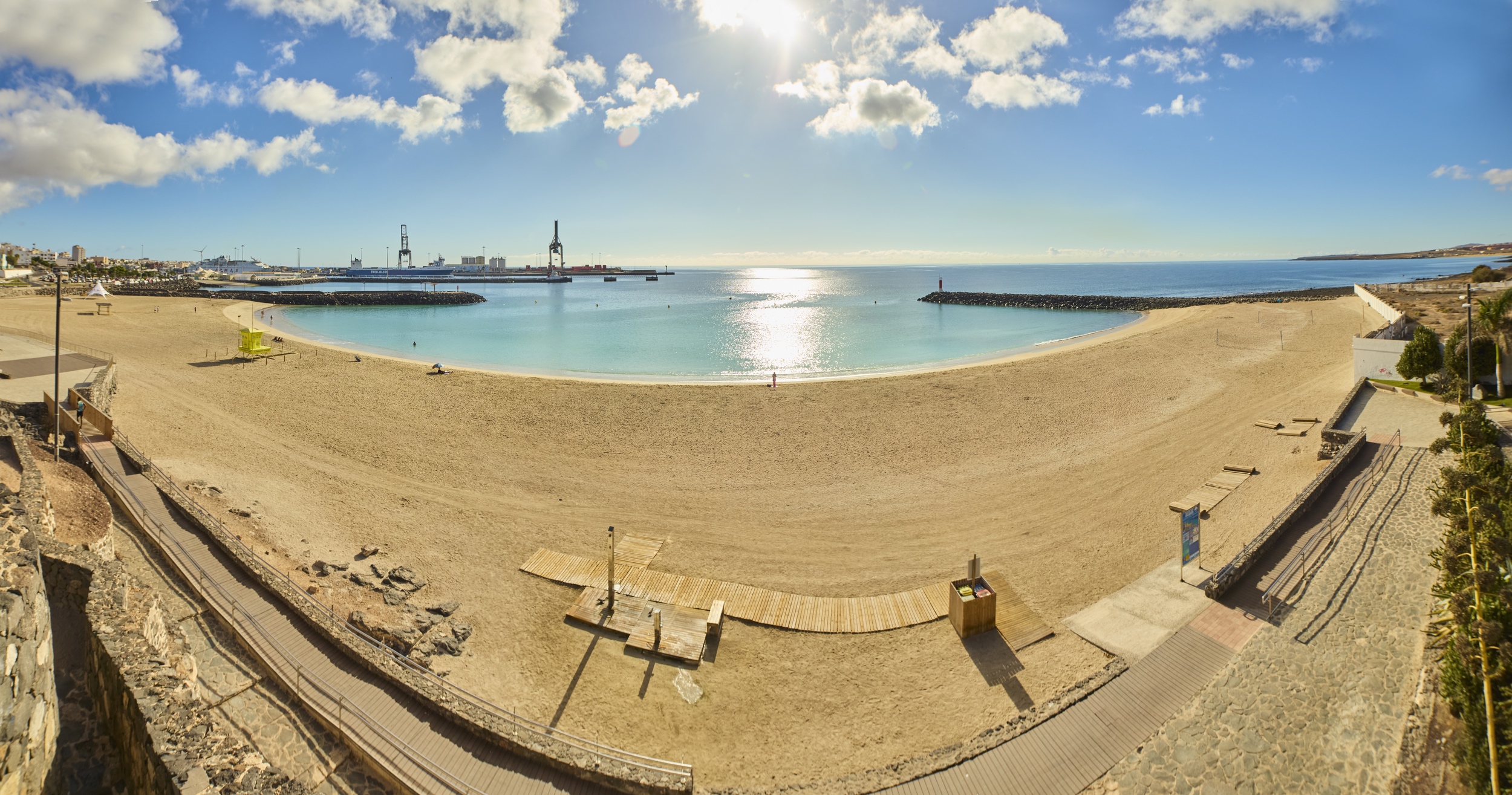
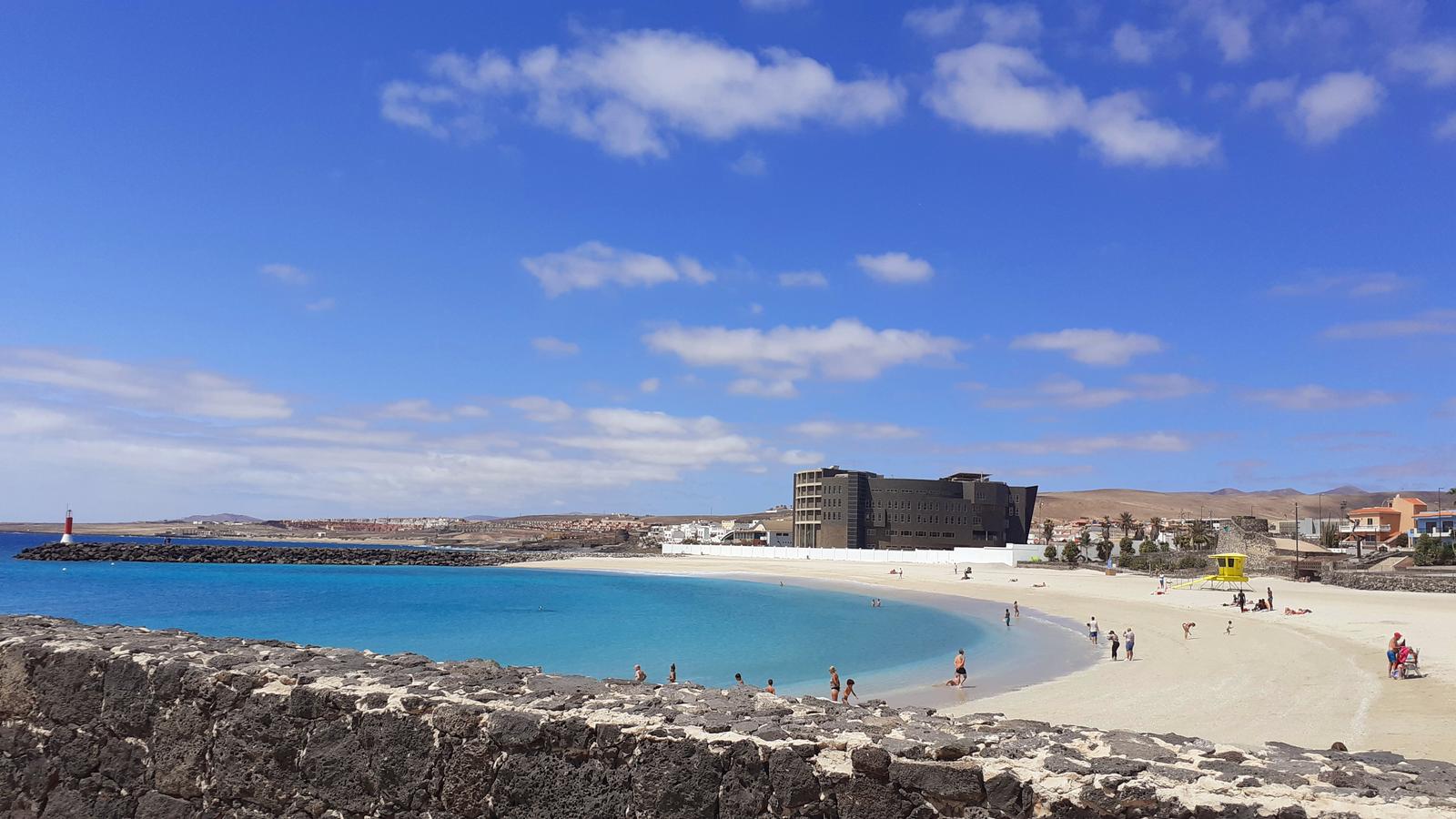
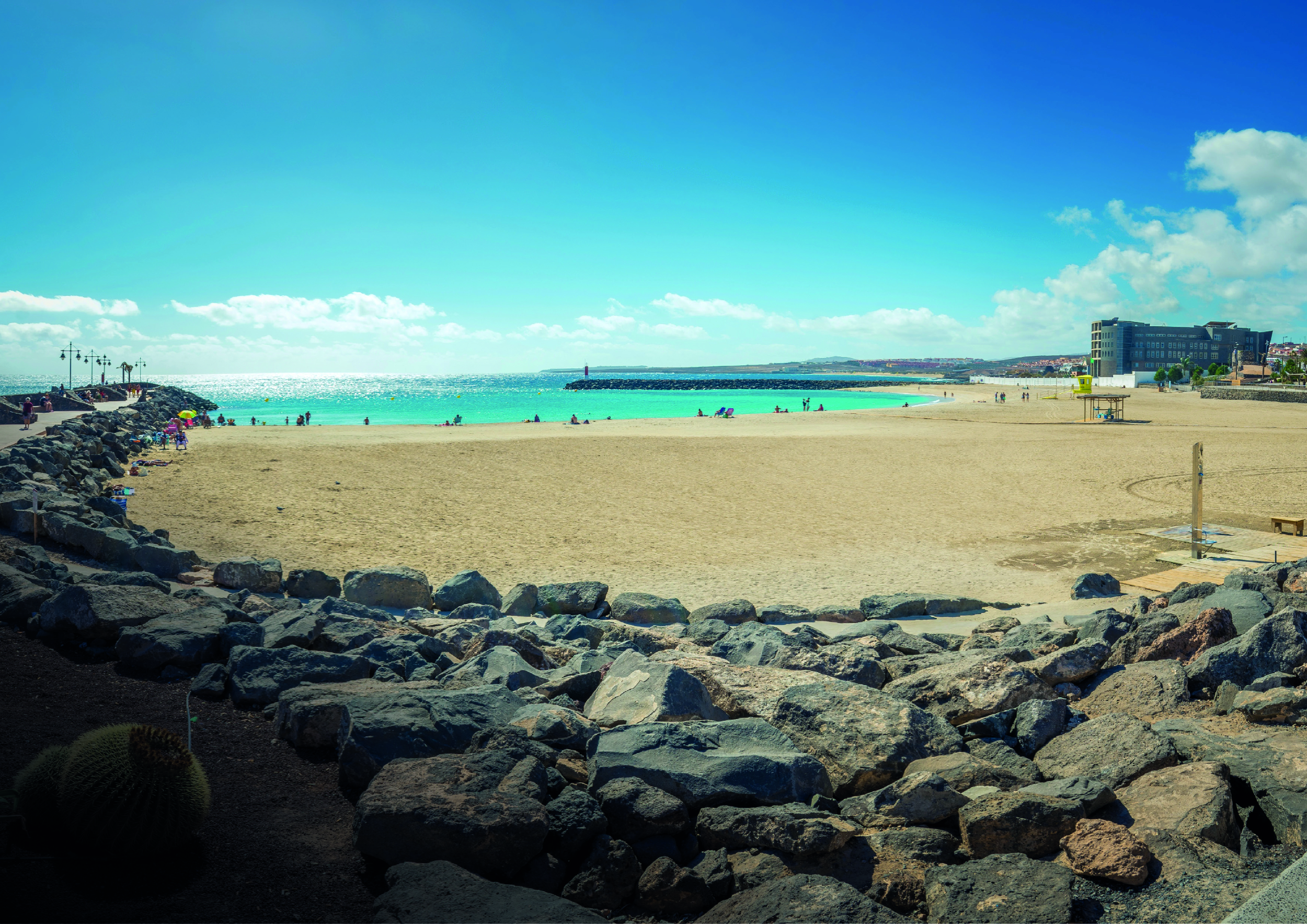
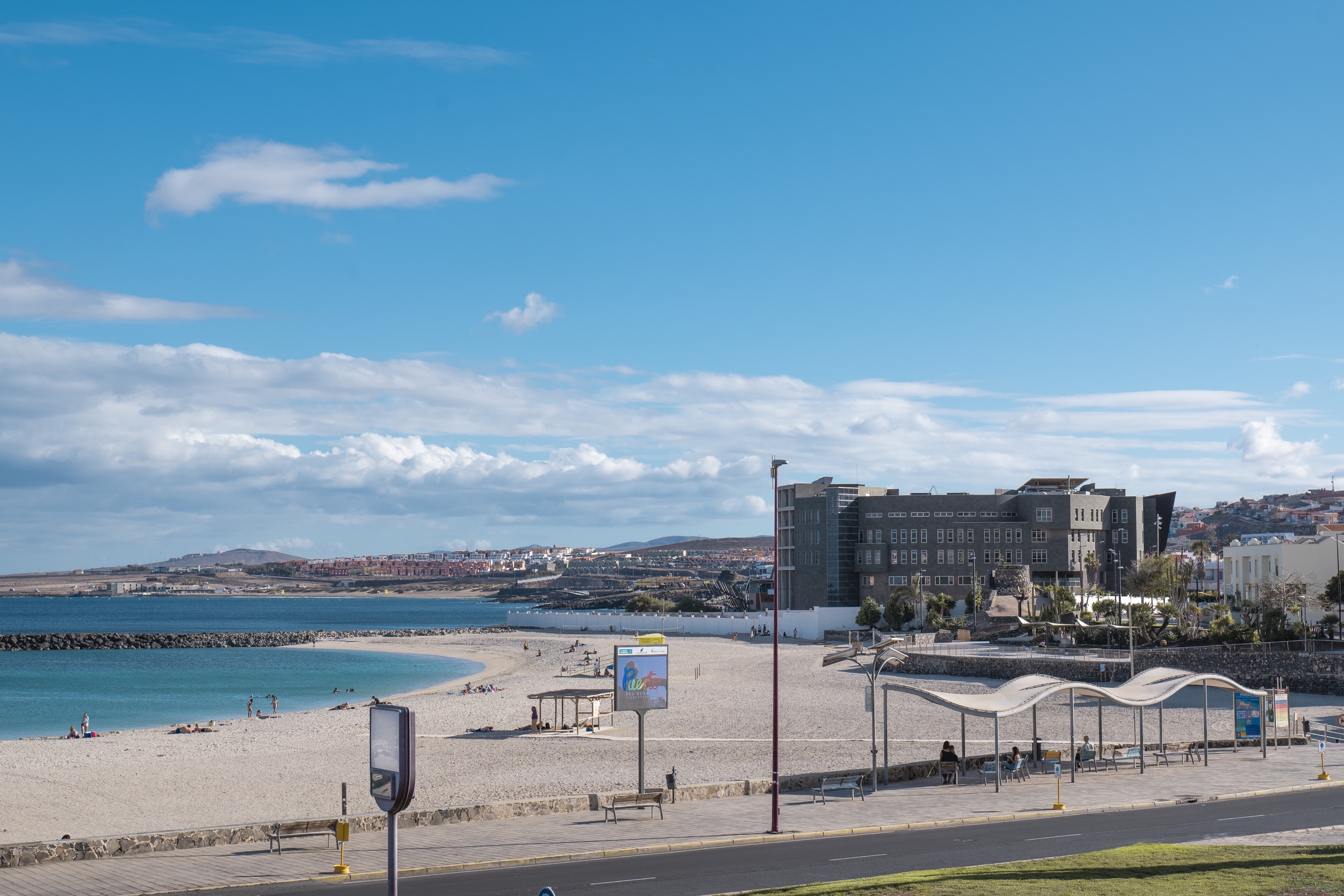
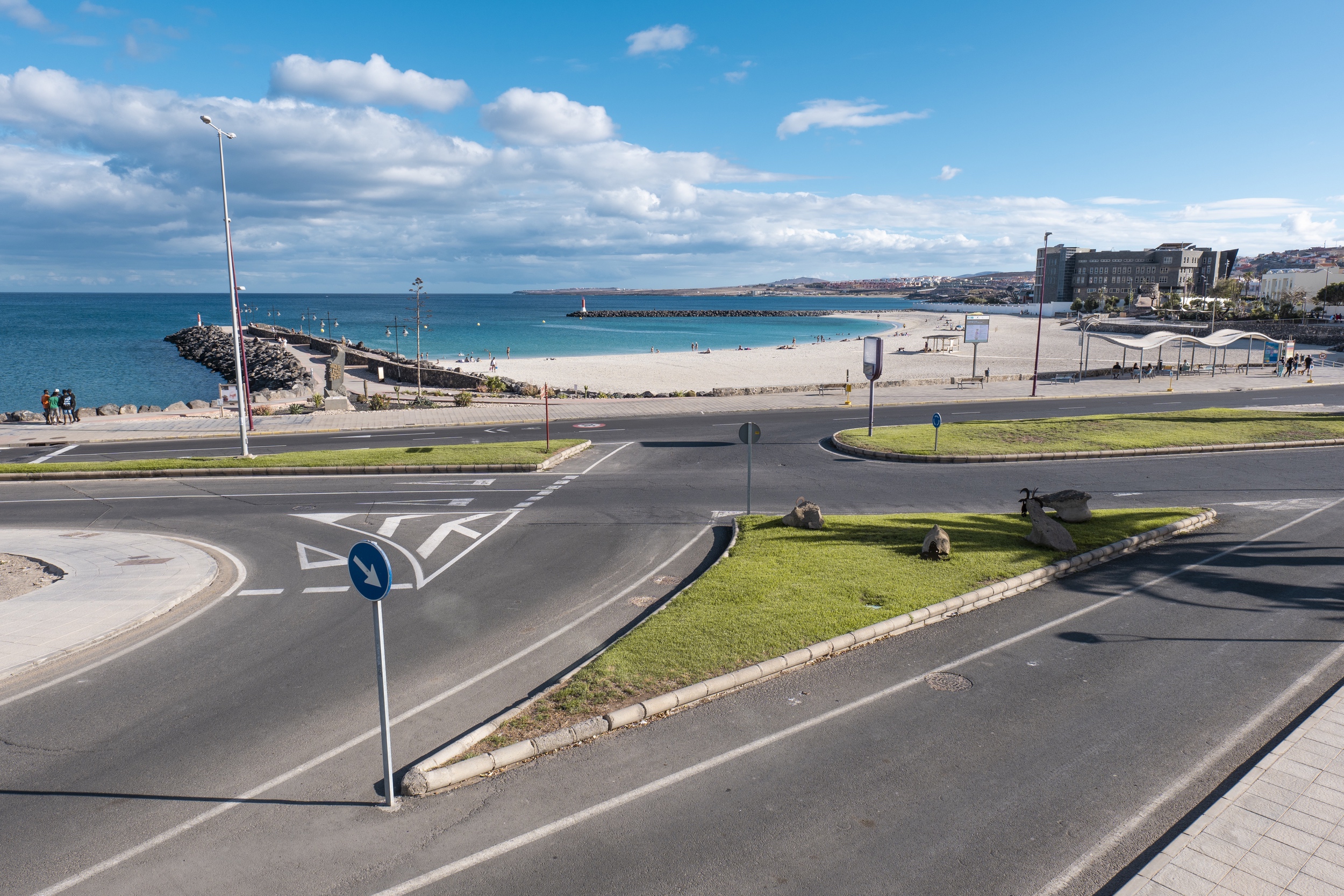
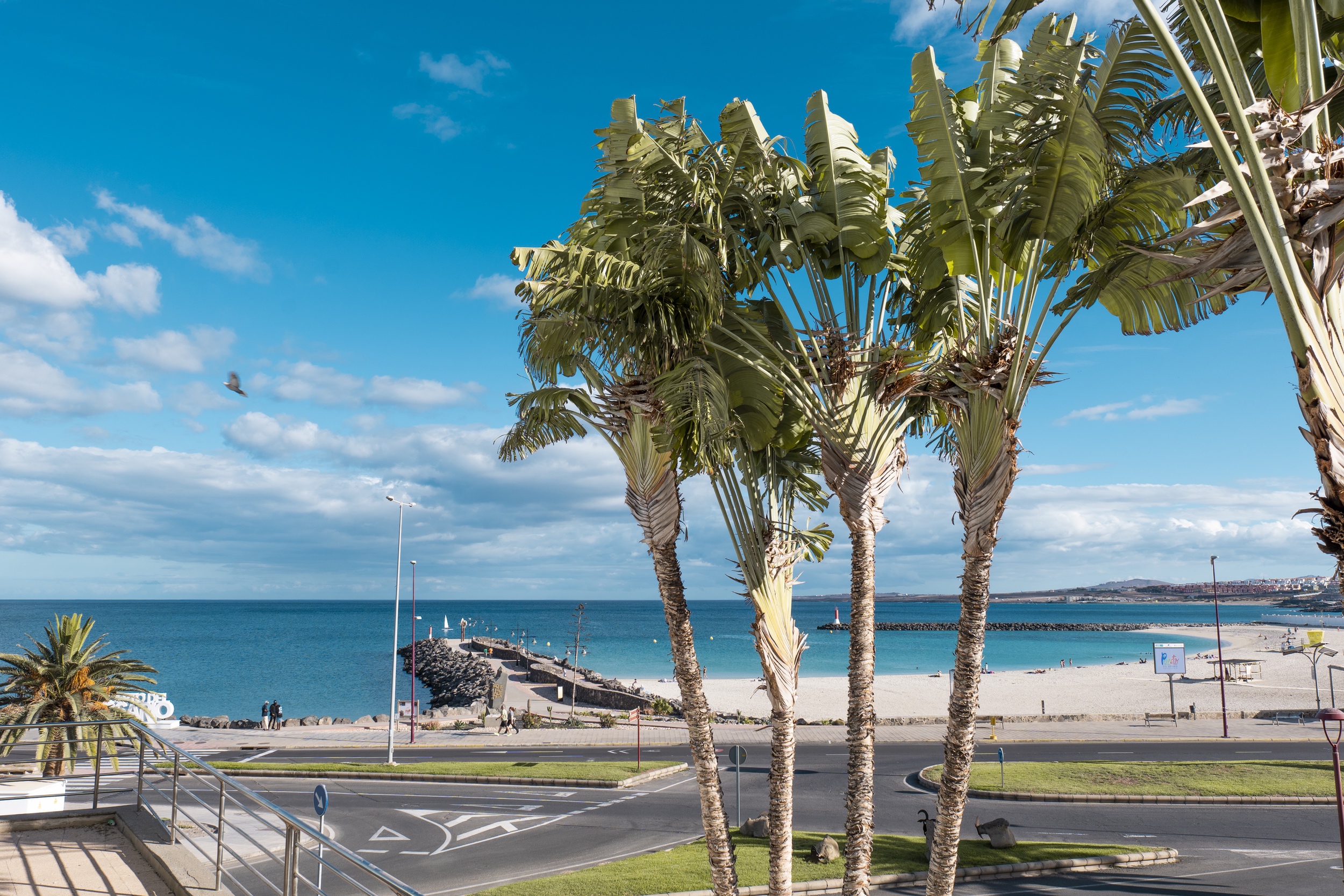
Los Pozos Beach, located on the seafront of Puerto del Rosario, is one of the most representative coastal areas of the capital of the island. Its evolution clearly reflects the transformation of the coastline from a functional area linked to the port to an urban space for public use, leisure and relationship with the sea.
Origin and meaning of the place
The name “Los Pozos” is linked to the existence of wells and water catchments near the coast, historically used for water supply in a territory characterized by water scarcity. These elements were part of the traditional strategies of water use, essential for life in Fuerteventura and especially relevant in the vicinity of port centers.
A coastline linked to Puerto de Cabras: urban sprawl
During the nineteenth century and much of the twentieth century, this stretch of coast was closely linked to the development of the old Puerto de Cabras, historical name of Puerto del Rosario until 1956. The port extended southward through the neighborhood of Los Pozos and northward through the neighborhood of El Charco, thus forming a continuous coastline where the sea was the backbone of social and economic life.
The proximity to the dock turned this area into a functional use space, related to the transit of people and goods, as well as auxiliary activities of the port and fishing.
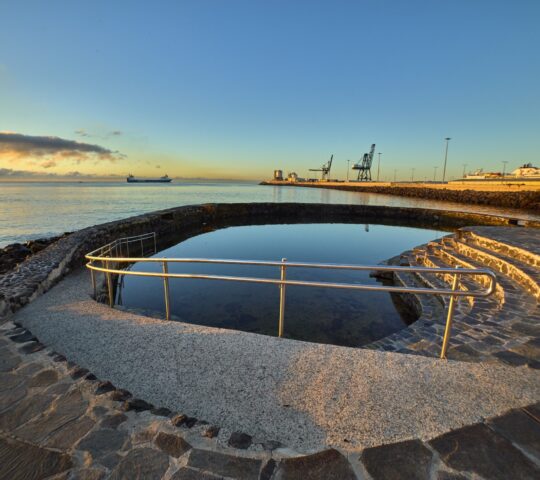
On this coast of the neighborhood there were several lime kilns that marked the economy of the old Puerto de Cabras. As a testimony of that industrial strength, several of them are still preserved and rehabilitated, integrated today as part of the ethnographic heritage of the coast.
La Rosa de Los Pozos: an agricultural and cultural legacy
In the vicinity of where the Palacio de Congresos stands today, next to the old DISA gas station, there was the famous “Rosa de Los Pozos”, a group of gavias (farmlands) that constituted one of the most unique estates of the old Puerto de Cabras. It was inherited by Emilia Miller, daughter of the legendary Diego Miller (1777-1854), considered one of the first settlers of the Port.
These farms, linked to the Miller surname and the agricultural tradition of the coast, were possibly visited by Olivia Stone and Miguel de Unamuno when, in their writings, they referred to the “houses of Don Secundino”. La Rosa de Los Pozos thus represents a link between the rural world, the founding lineage and the cultural memory of the municipality.
Memory of shellfishing and traditional fishing
Where the artificial beach extends today, built a few years ago, there used to be an important baiting ground that was highly valued by local fishermen. There, crabs known as “carná de viejas” were caught, used as bait for fishing for parrotfish. In addition, shellfish and octopus were collected in this same area, an activity that was part of the port’s livelihood and seafaring culture.
Ballast: maritime traffic footprint
Another hallmark of this coast was the deposit of ballast (large stones used to balance the ships). The port movement of the time required these stones when the ships had to leave or arrive empty. When sailing from Puerto de Cabras or from one of the island’s natural wharfs, limestone was loaded or taken from the nearby deposits of callaos.
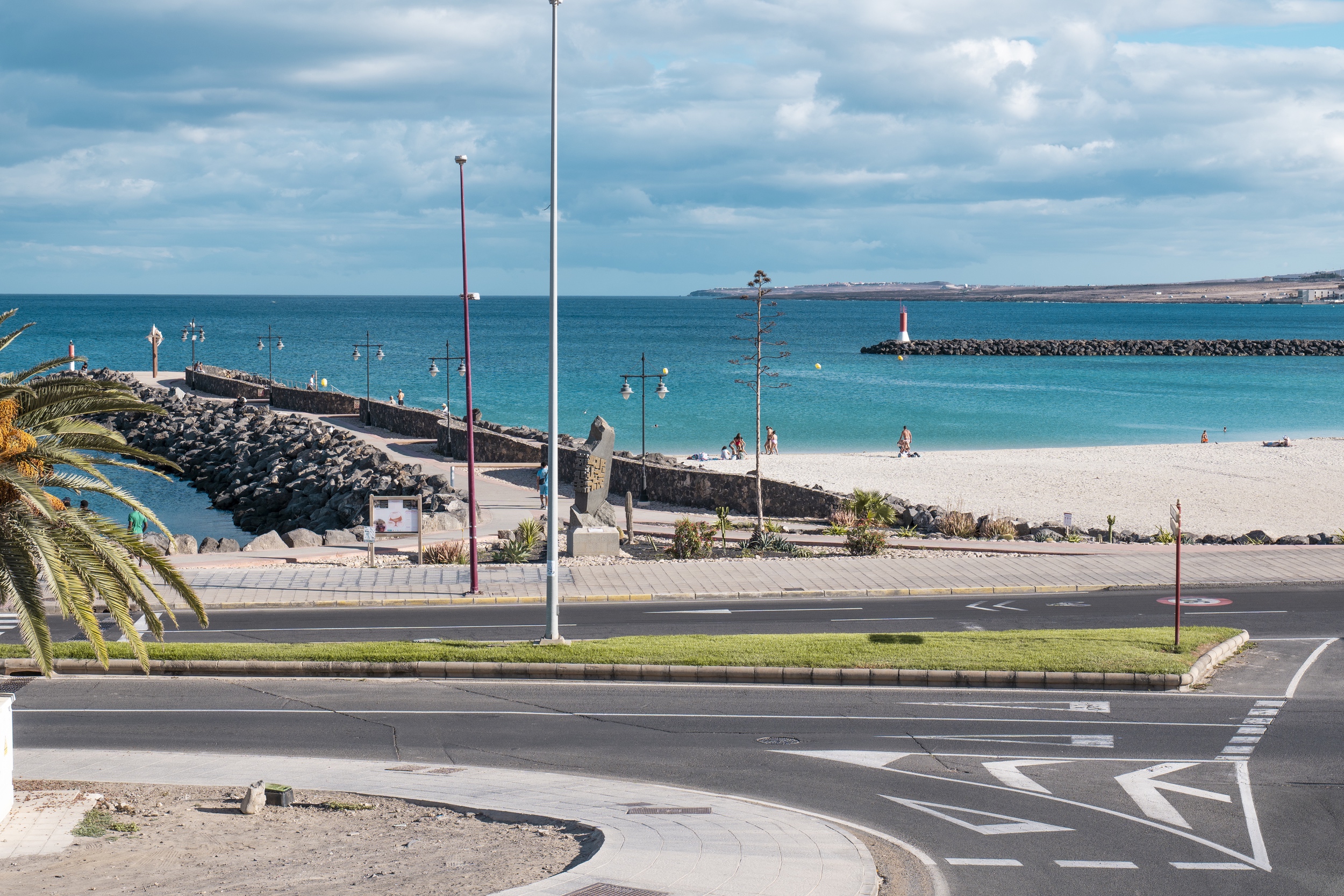
This practice was common in the coming and going of the Canary and African seas. The ships that arrived weighted with stones of another origin unloaded their cargo in the deposits authorized by the local marine authorities, located on the beaches near the wharfs of the maritime jurisdiction. This is how the ballast deposits arose in the vicinity of the “Callao de los Pozos” and the “Caleta de los Pozos”, today silent witnesses of that intense port activity.
Urban transformation of the coastline (late 20th century – 21st century)
From the second half of the twentieth century, and especially in recent decades, the urban growth of Puerto del Rosario promoted a profound transformation of its seafront. Los Pozos Beach was the object of conditioning and regeneration actions that allowed its integration into the urban fabric as an accessible and safe space for bathing and citizen enjoyment.
These interventions included the improvement of accesses, the provision of services and the adequacy of the environment, consolidating the beach as one of the main public spaces of the capital.
Contemporary heritage and social use
Today, Los Pozos Beach is a clear example of contemporary coastal heritage, where the value lies not only in its natural characteristics, but also in its role as a space for coexistence, leisure, restoration and quality of life for residents and visitors.
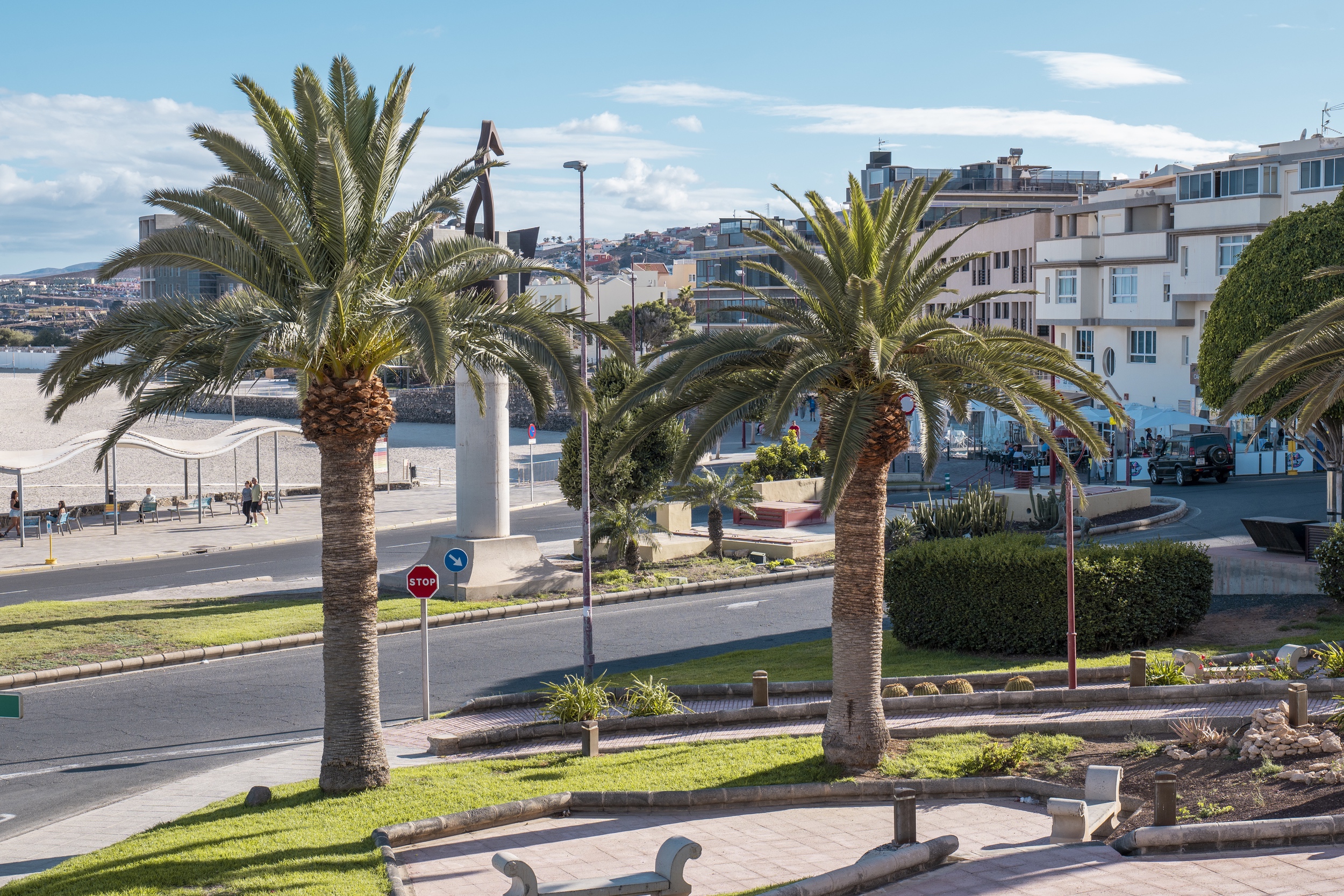
Its strategic location, close to the urban center, makes it a regular meeting point, where recreational activities, sports and various events take place, reinforcing the historical relationship of the city with its coastline.
A space to understand the city and its evolution
Los Pozos Beach allows us to understand how Puerto del Rosario has evolved from a port nucleus, which expanded between Los Pozos and El Charco, to a modern capital that has been able to recover its coastline for public use. This enclave symbolizes the reconciliation between the city and the sea, transforming a traditionally functional space, dotted with lime kilns, bunkers, ballast and the legendary Rosa de Los Pozos, into a place of enjoyment, identity and tourist projection.