
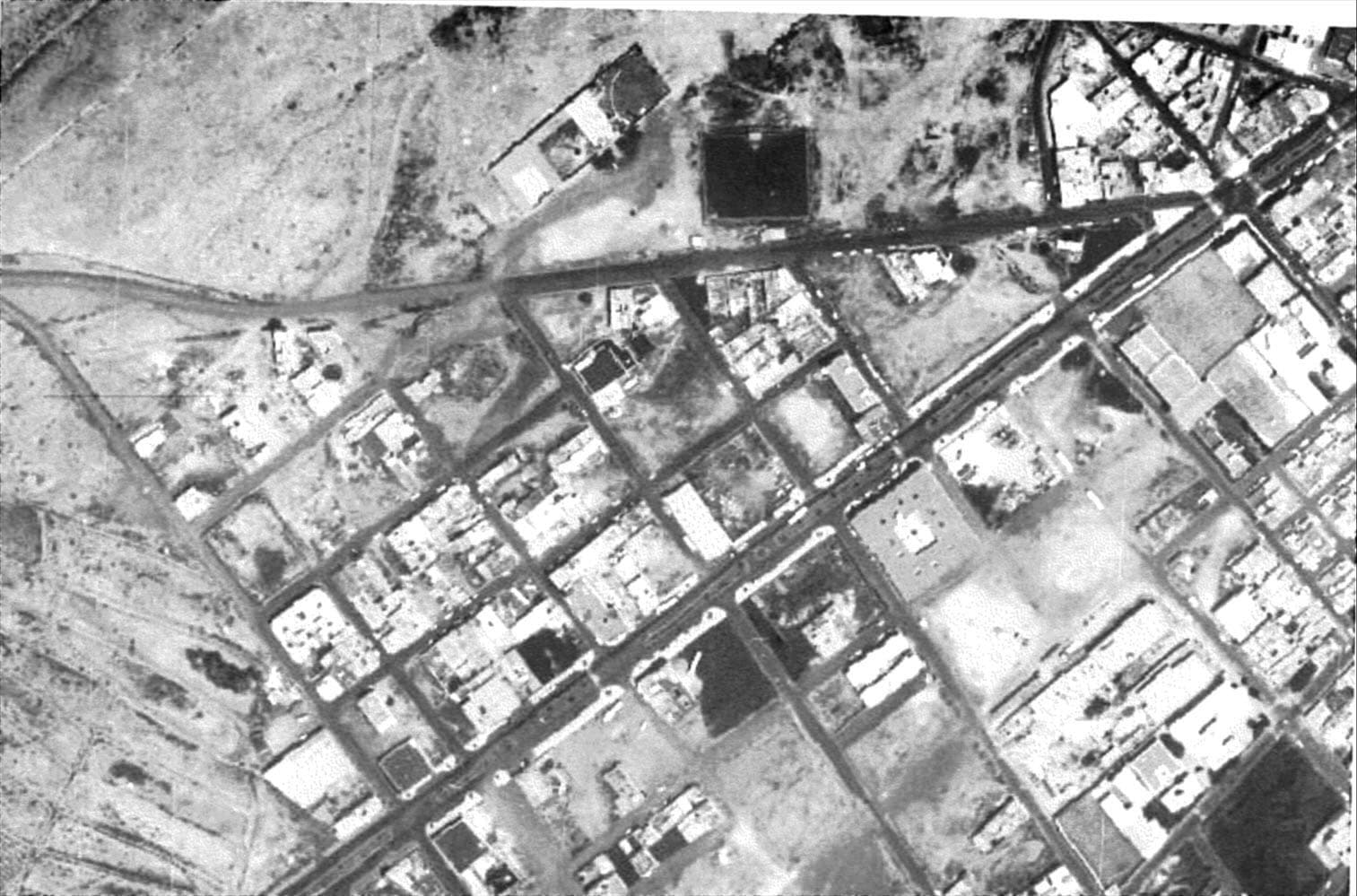
Neighbourhood memories · Puerto del Rosario
Neighborhood La Charca
The neighbourhood that grew up beside the Time road, around a water tank that gave it its name, a windmill and some lime kilns.
- 1948 the lime kilns are lit
- 1954 first building permit for a home
- 2003 the community centre opens
- 12 → 904 residents between 1940 and 2004
The story
La Charca was not built to a plan: its residents put it up themselves, house by house and «al golpito», little by little, with what they earned at the lime kilns, in the tomato harvest or in the Sahara.
Its name comes from the water tank that the Public Works department built around 1934 beside the Time road to supply ships and the town. Close by, since before 1878, Mr Adrián’s windmill had been grinding grain; today it gives its name to the residents’ association.
This page sums up, in our own words, the book La Charca (1954-2004). Memoria de un barrio by Francisco Javier Cerdeña Armas, published by the La Molina Residents’ Association, which has also lent the photographs.
1878
Gofio by the Time road
Mr Adrián’s windmill
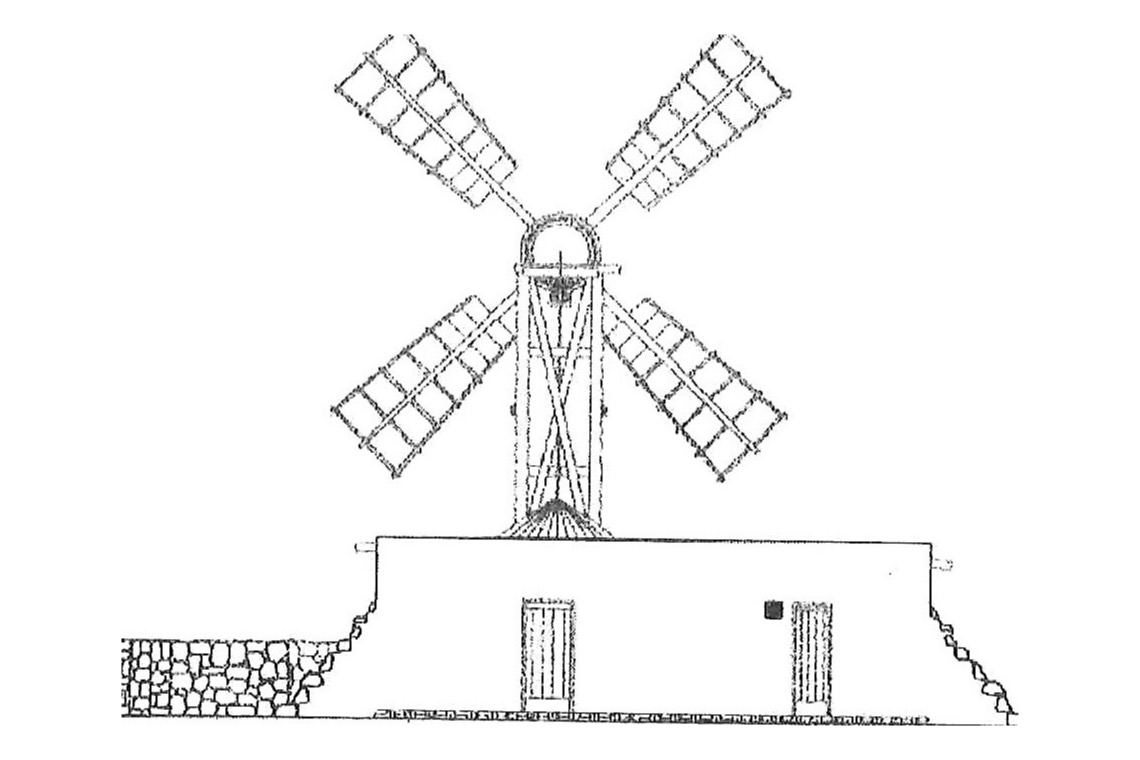
When Puerto de Cabras began to grow, the surrounding land was sown with cereals and windmills known as «molinas» appeared beside the fields, with their machinery in a wooden tower on top of a rectangular house. Domingo Ángel Adrián’s was already working before 1878 and appears on the 1885 town plan, in the «Y» formed by the Tetir and Time roads.
It ground grain for gofio, the toasted flour of the islands. Later it was run by Dominguito Ruiz and, from 1930, a road worker turned it into his home.
Drawing of a traditional windmill, like Mr Adrián’s.
1934
The water that named the neighbourhood
The water tank and its filter
By 1930 the town registers already spoke of the Barriada del Camino del Time. Around 1934, while the new quay was being built, the Ministry of Public Works put up a tank here to supply water to ships and the town: «la charca». A channel running alongside the road brought it water from the La Herradura ravine.
The tank’s filter, the «coladera», supplied the first residents. The rest of the water was carried on people’s heads, in two buckets hung from a pole or in drums on donkeys, and every house built its own cistern to collect rain from the flat roof. Running water did not reach the homes until 1985.
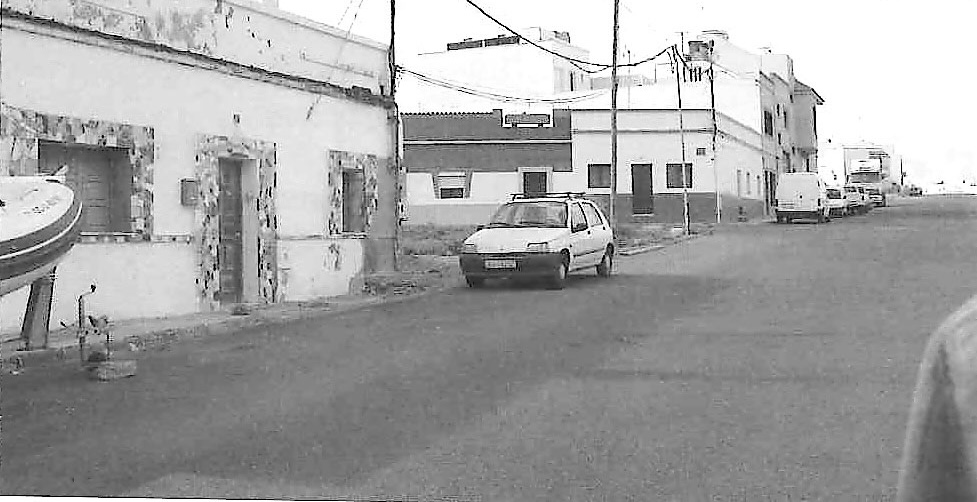
Nicolasito’s house, on Calle Teresa López opposite the water tank, was one of the first in the neighbourhood. Photo from 2004.
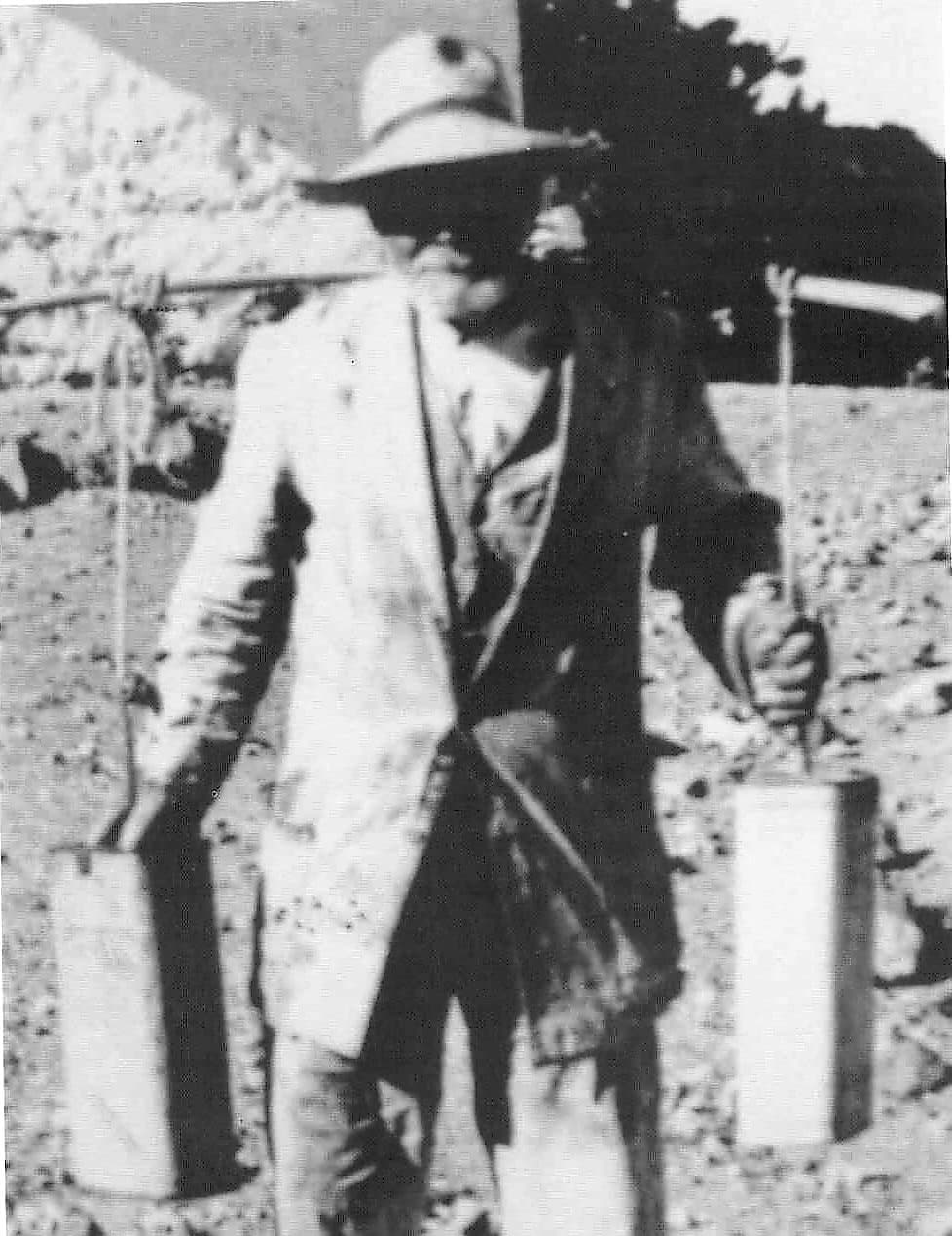
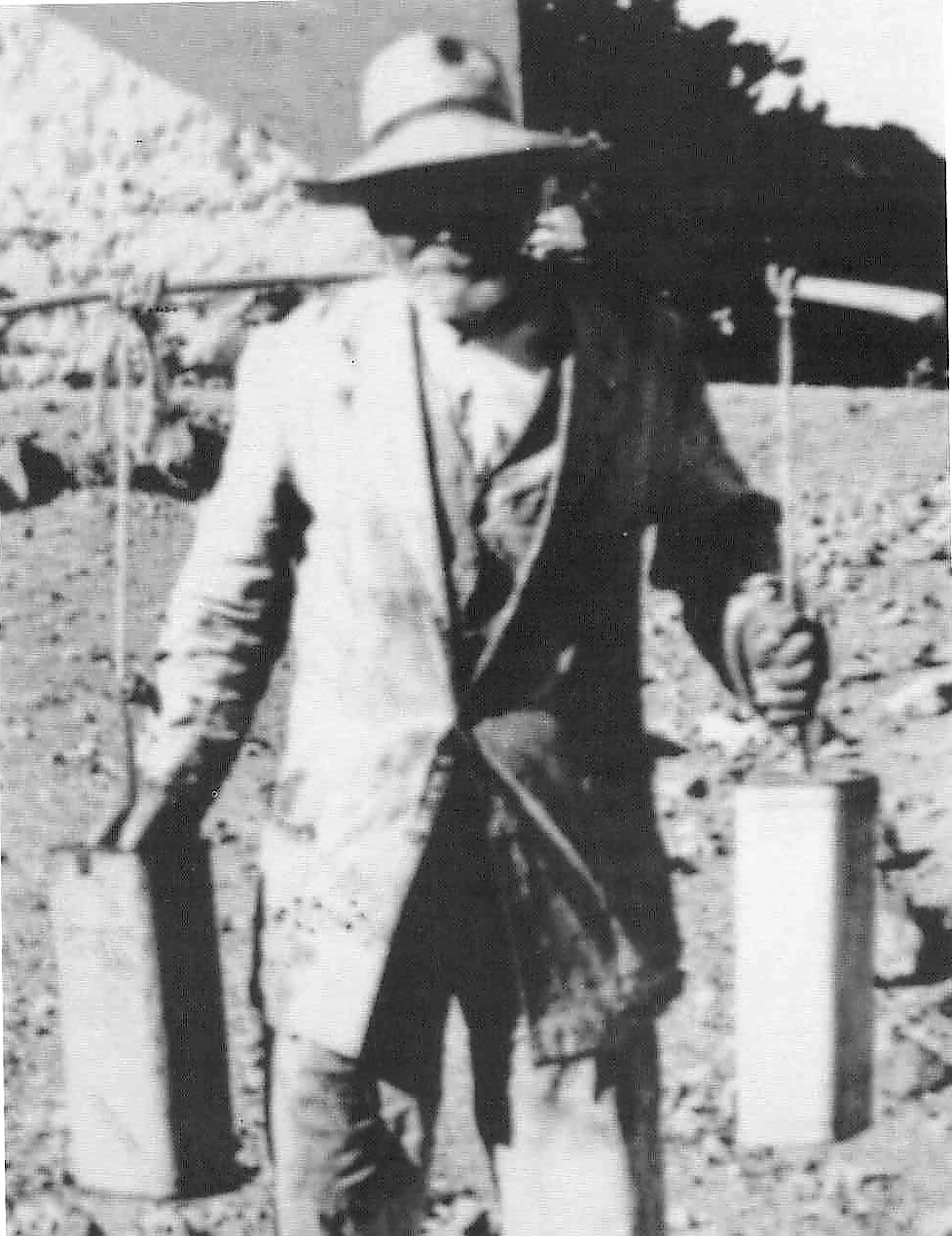
The water carrier, 1957. Photo: Enrique Nácher.
1948
The «white cargo»
The lime kilns
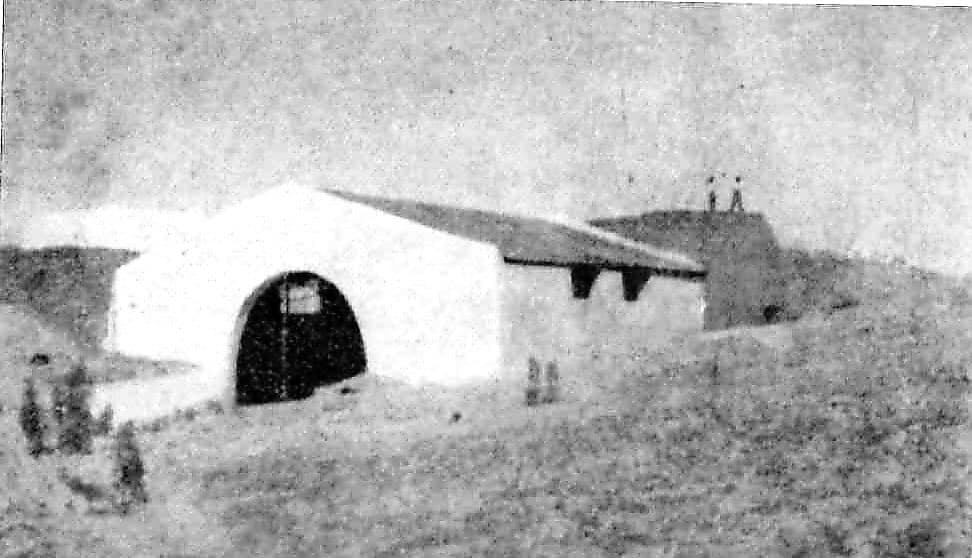
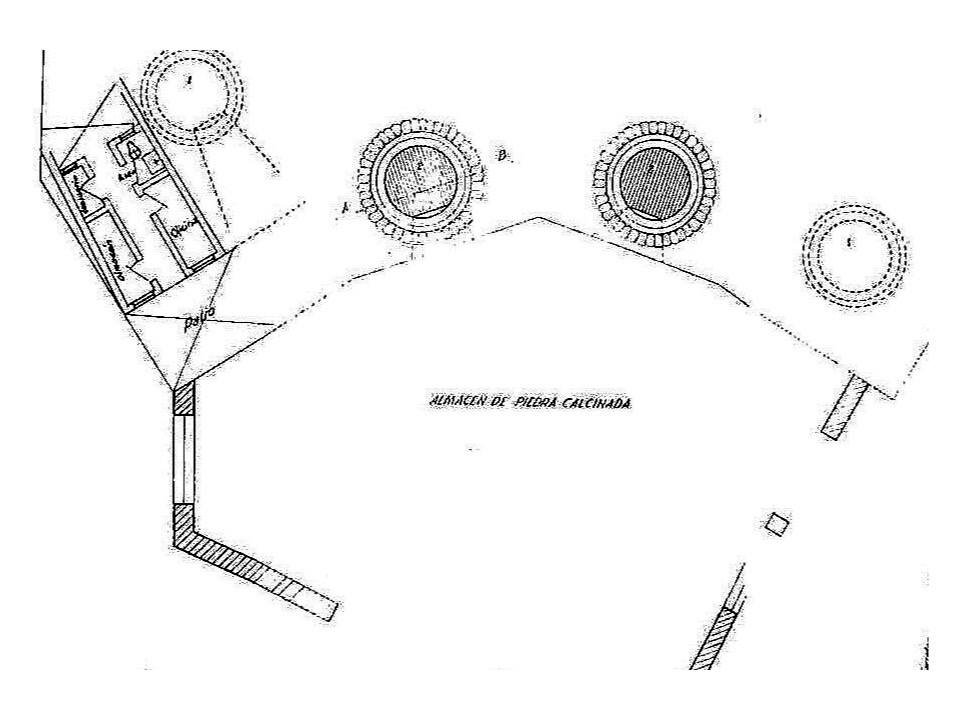
In 1948 Jacinto Lorenzo Rodríguez, a businessman from Tenerife, opened lime kilns at «la terrera», very close to the water tank: two kilns, a yard for stone and coal, a store and a small house. They employed eight to ten people, many of them from El Roque, in La Oliva, who came with their families. They were the first families in the neighbourhood.
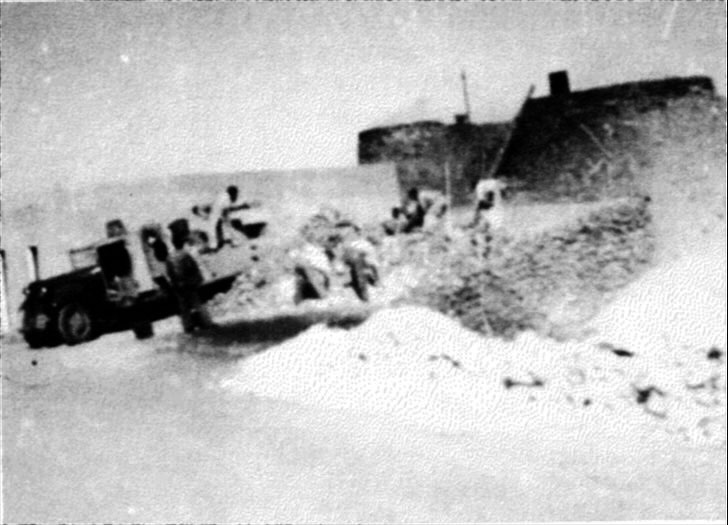
Residents dug out the stone with picks and crowbars and sold it by the lorry load. The lime was shipped from the quay on inter-island coasters such as El Cazón or La Nivaria, and the men who loaded it remembered putting «a rag and a handkerchief over the mouth» to cope with the dust. The kilns stopped producing in 1971.
The La Charca kilns in 1959, in a picture from a festival programme of the time.
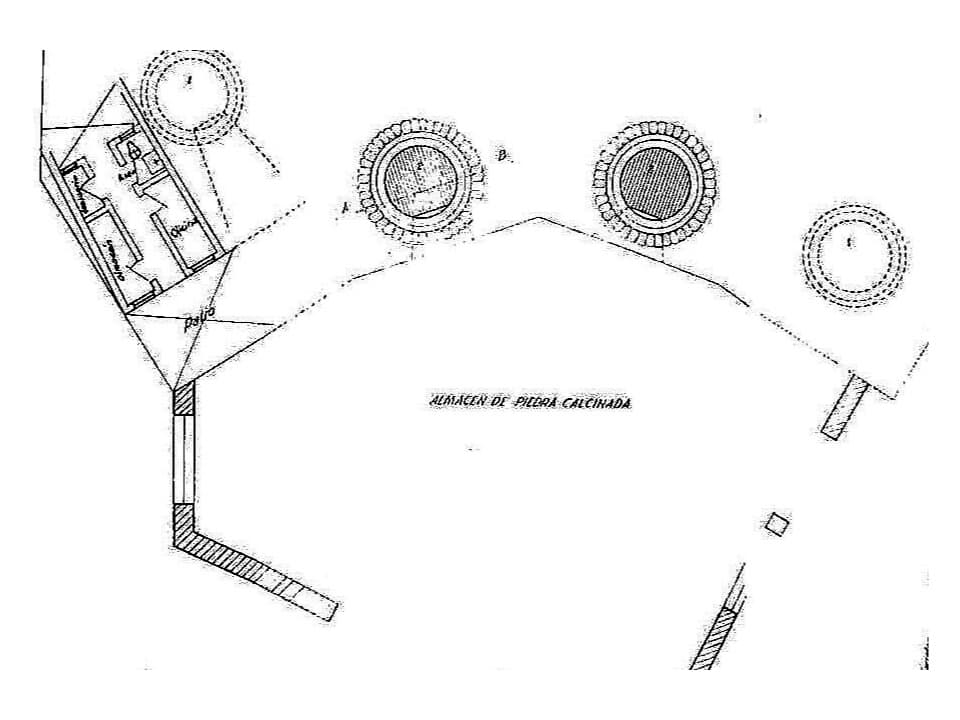
Detail of the plan for the lime works, 1948. 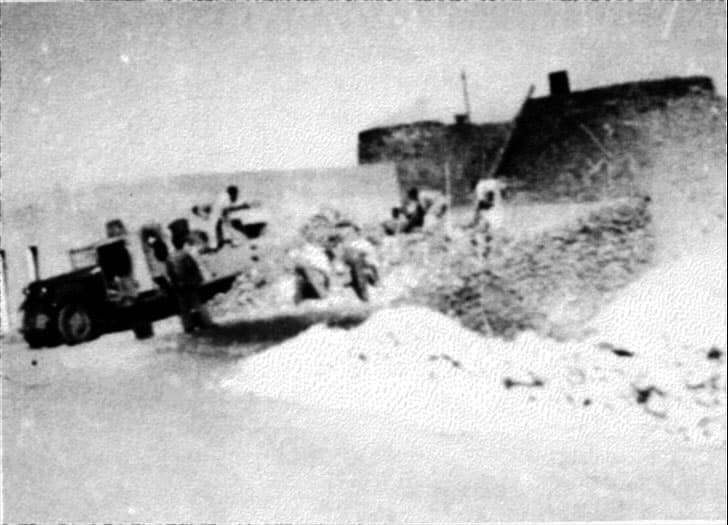
Loading stone at other kilns in the town, those of Santiago Morales in Los Pozos. Photo: Juan Pedro Morales Chacón. 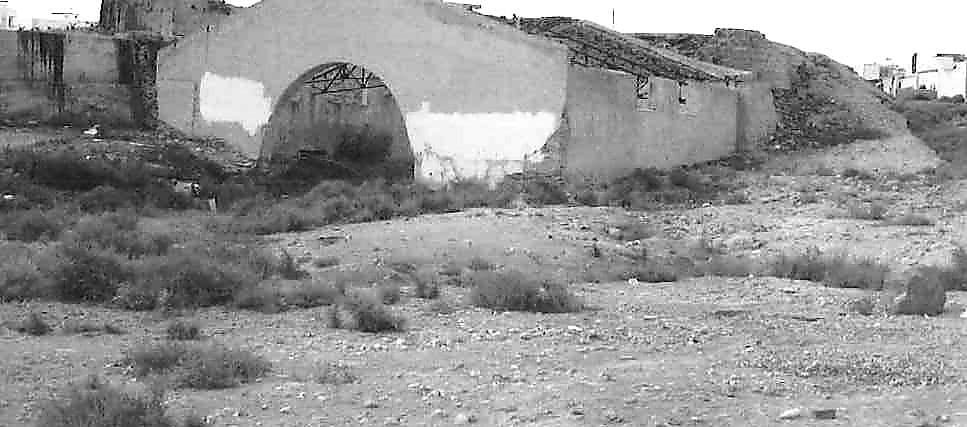
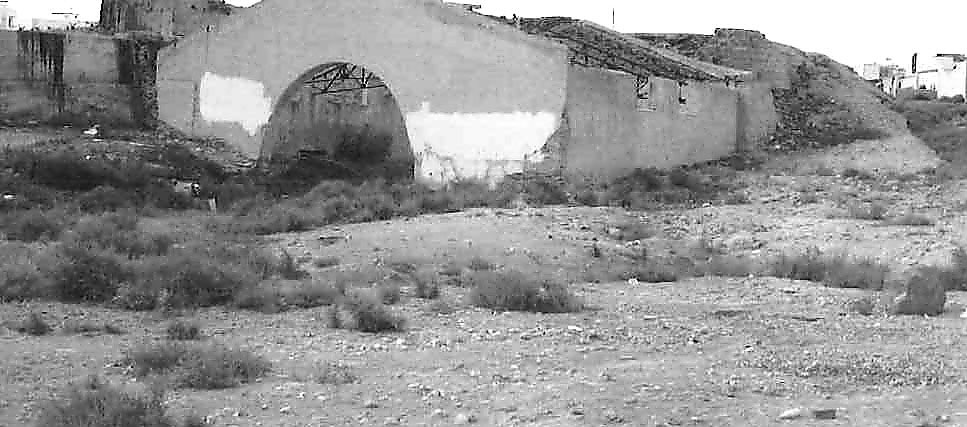
What was left of the La Charca kilns in 2004.
1954
One house, one permit
The first building permit
In 1954 the Town Council approved the first housing project in the area, requested by Antonio Hernández Montelongo. Road workers already lived here, one of them in the windmill itself. Two years later, Puerto de Cabras changed its name to Puerto del Rosario.
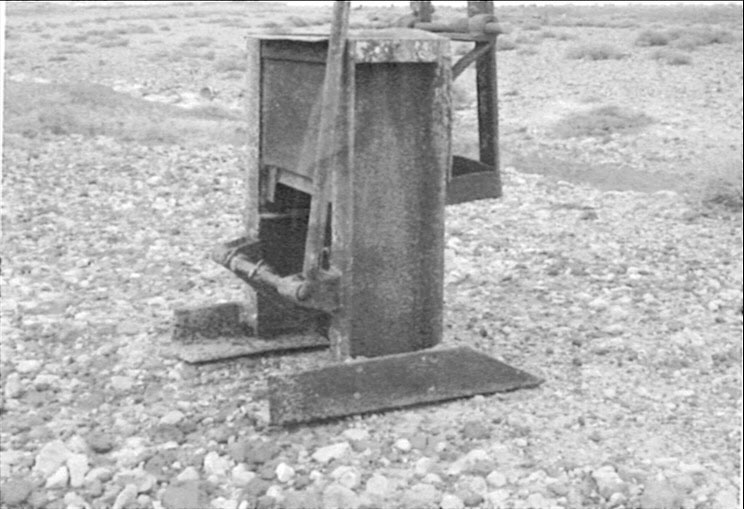
Houses were built with solid blocks of lime and sand, turned out one by one from a moulding machine, which replaced the old rammed-earth walls. Between 1955 and 1960, 35 people arrived, most of them from La Oliva, and the neighbourhood grew to 66 residents.
The machine for solid blocks with which the houses of the neighbourhood were built, one block at a time.
1960
Sahara, harvest and blocks
Houses built «al golpito»
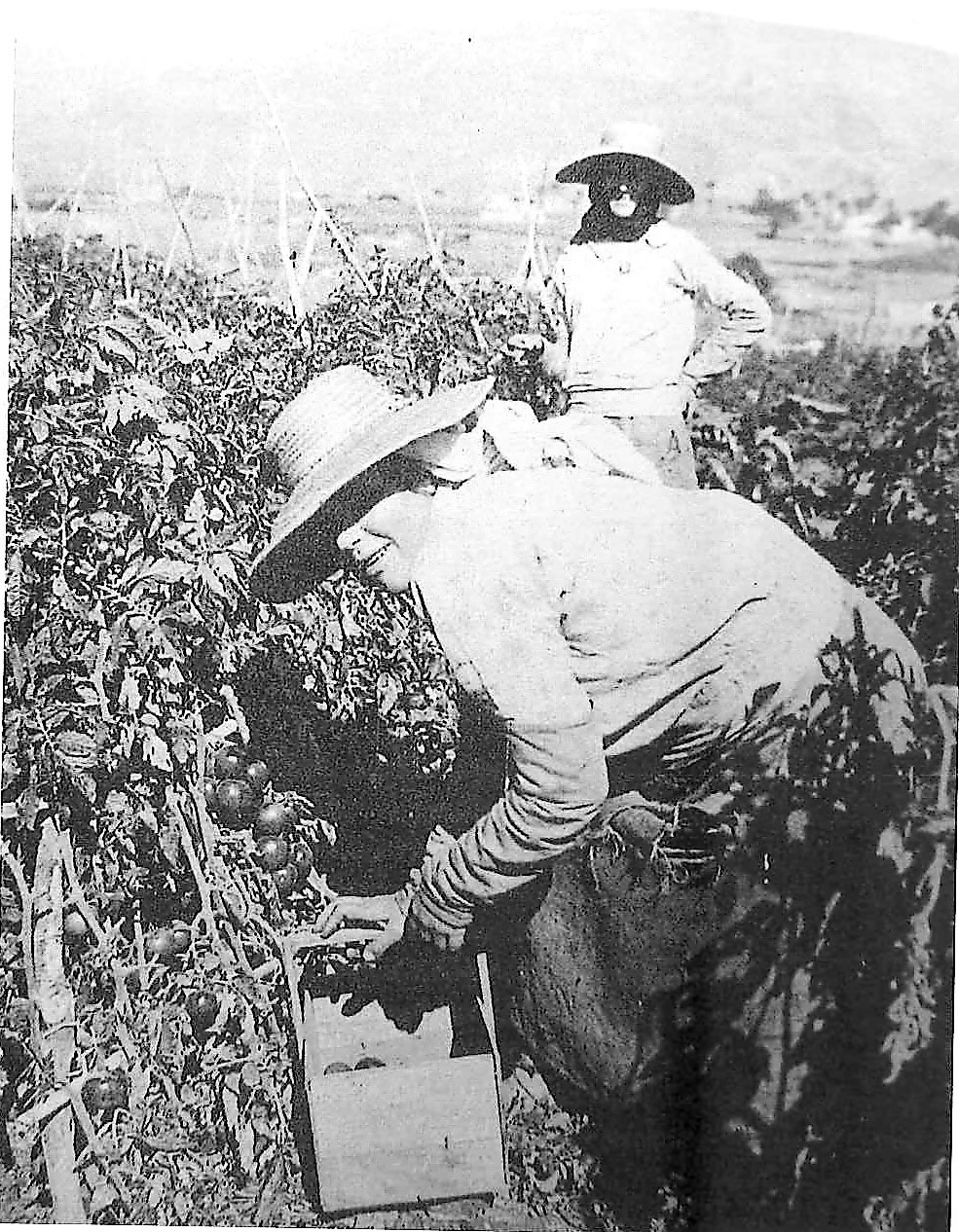
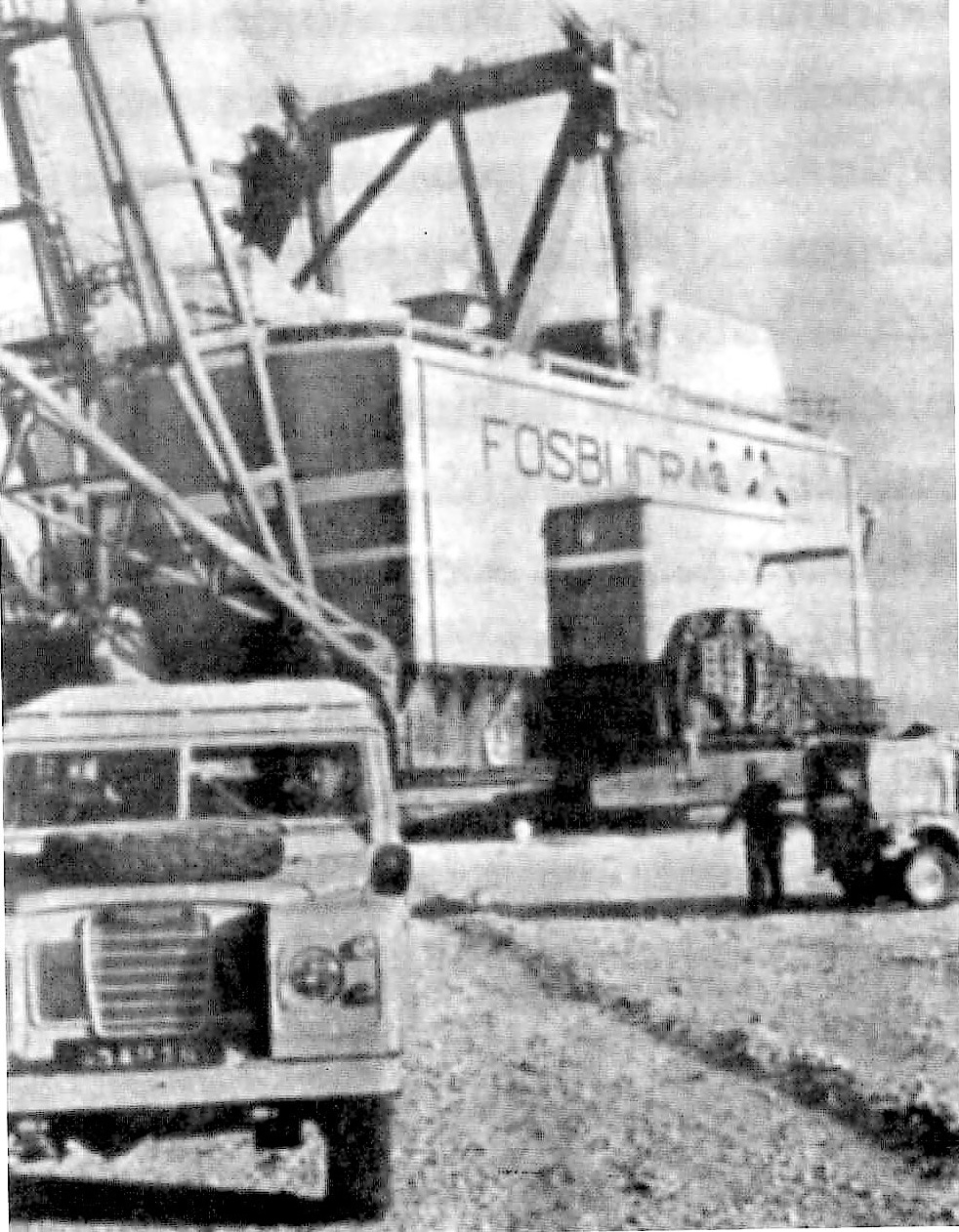
In the 1960s hardly a family was without someone working in the Sahara: on military building works, on the road to Villa Cisneros or in the Fos Bucraa phosphate mines. Meanwhile, many women worked in the tomato harvest, in the fields and in the packing sheds.
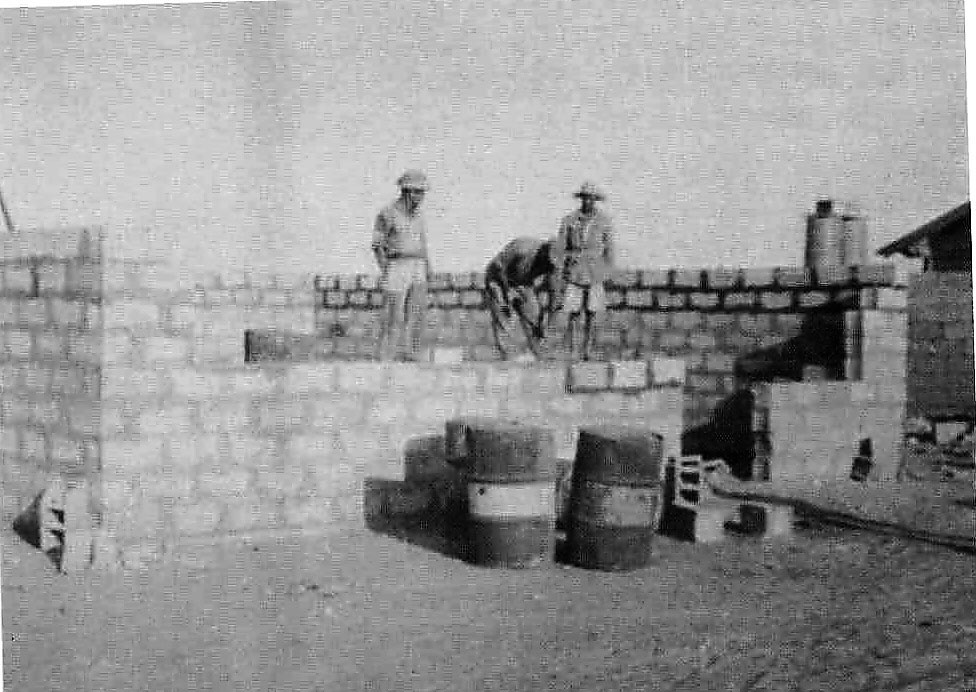
With their savings, houses grew little by little: first a bedroom and the entrance, then the rest. That is how the neighbourhood was built, «al golpito». By 1970, 180 people lived here.
Building a house with blocks, and drums used as water tanks and scaffolding.
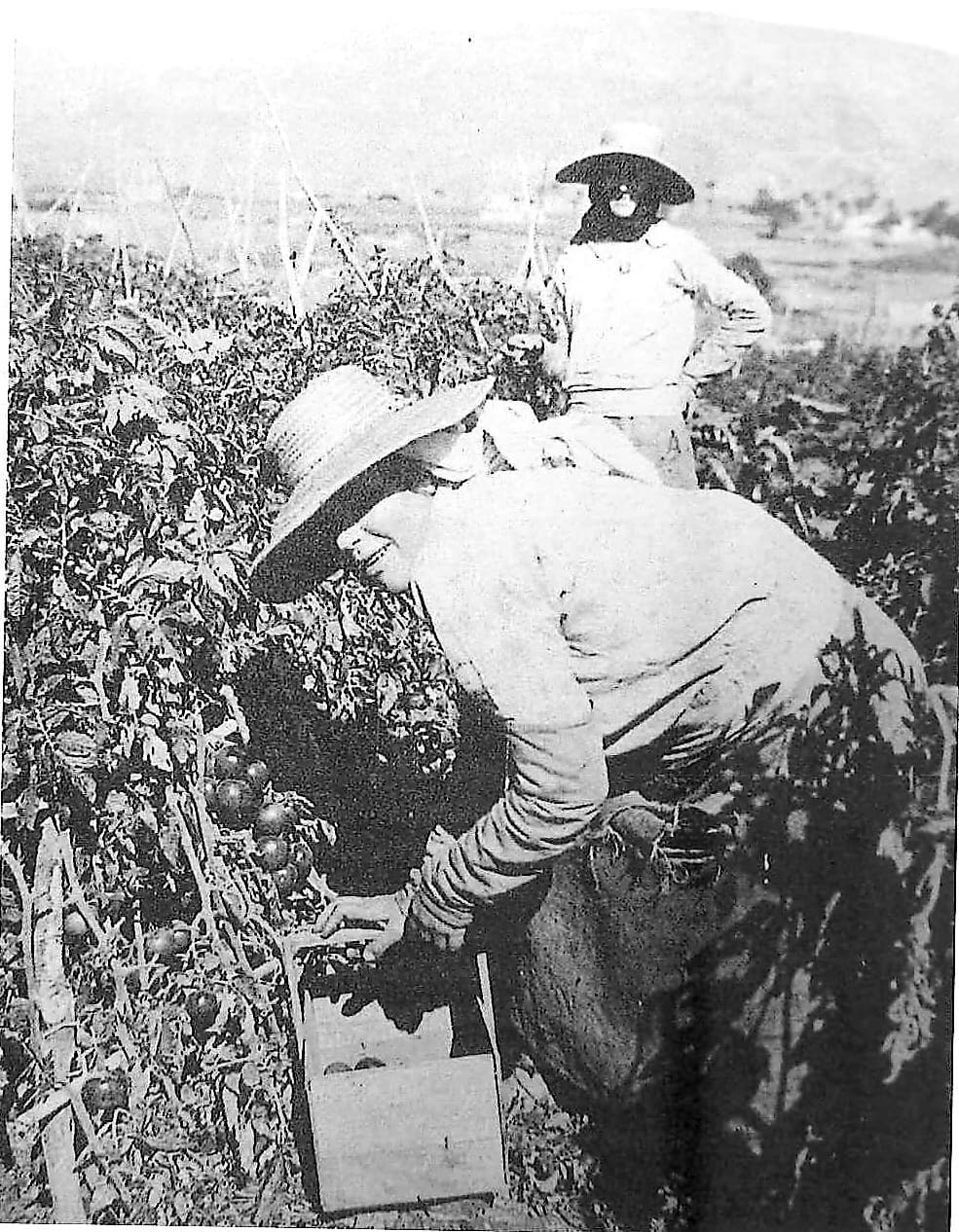
Women in the tomato harvest. 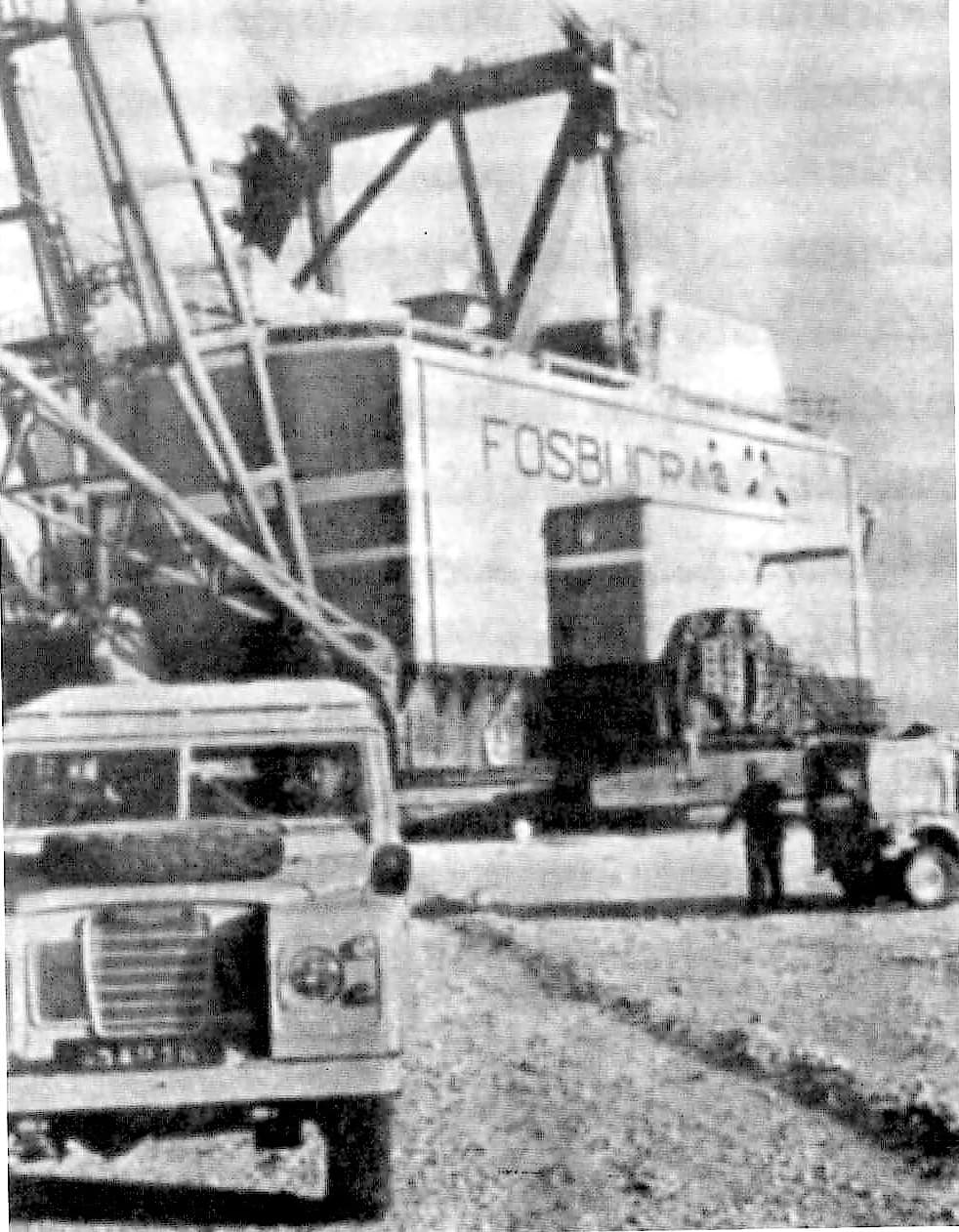
Mining installations in the Sahara, where many residents worked.
1971
The kilns go out
The sawmill and the 1970s
In the early 1960s a sawmill, La Serrería, opened in the neighbourhood. It came to employ more than fifteen people and supplied the island’s first tourist developments. In 1971 the lime kilns closed.
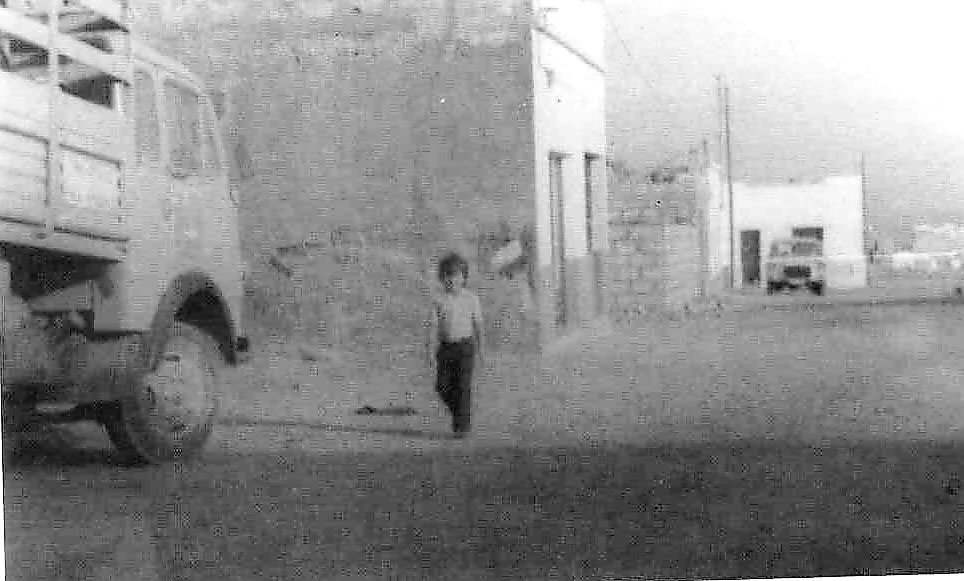
Few new houses went up in those years. The neighbourhood lived through Spain’s withdrawal from the Sahara at close quarters: many workers came back, and the troops evacuated in 1975 and 1976 arrived on the island. Grocery shops, a bar and, after the return from the Sahara, a petrol station opened.
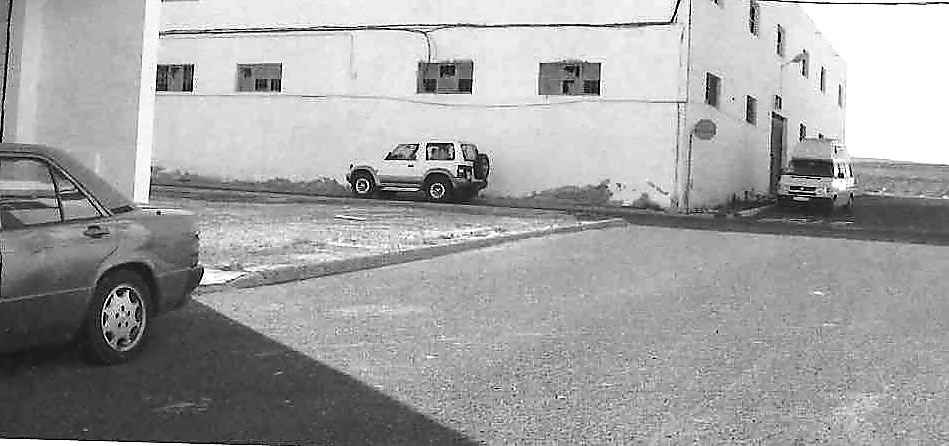
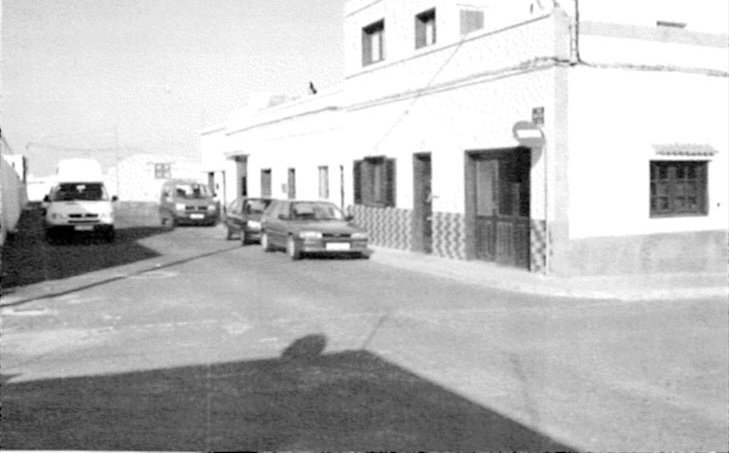
Calle Franchy y Roca in the late 1970s.
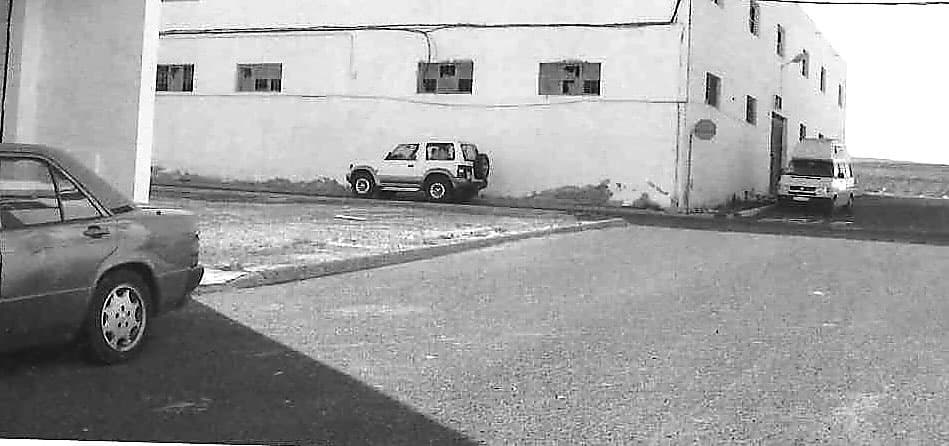
The sawmill, seen from Calle Franchy y Roca. Photo from 2004.
1987
From battles to people
Streets with new names
With no approved town plan, streets opened up on their own and the Town Council named them after battles: Trafalgar, Lepanto, Brunete, San Quintín… Everyone in town knew that «the battles» were in La Charca.
In February 1987 and in 1990 almost all of them were renamed: mayors of the Second Republic, presidents, the trade unions, teachers from the island. The main street, the old Camino del Time, became Teresa López. Only the classical philosophers of the lower part stayed: Plato, Socrates and Seneca.
Calle Sindicatos de Clase, formerly Batalla de Brunete, in 2004.
1998
A neighbourhood gets organised
The La Molina Residents’ Association
In 1997 the Tenique Youth Group held a street party to bring back traditional games. The following year the gathering grew so much that the residents’ association came out of it: its first assembly was held in November 1998 and it was officially registered on 17 April 2000 as the Asociación de Vecinos La Molina de la Charca.
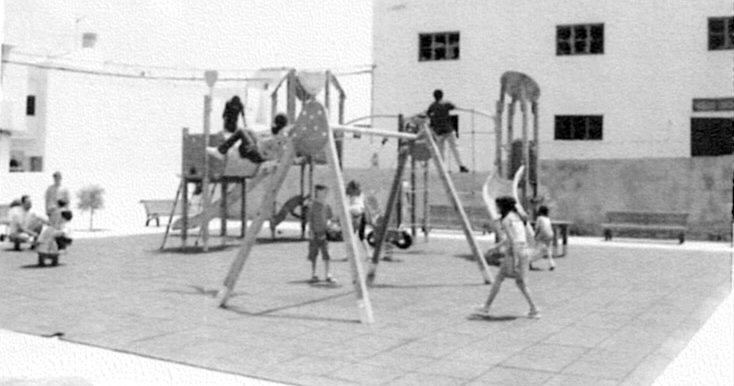
It brought the June festivities, pilgrimages and carnival with the Tenique troupe. In 2003 the community centre opened next to the sawmill, together with the playground and the court for bola canaria, the islands’ bowls game.
Playground opened in 2003.
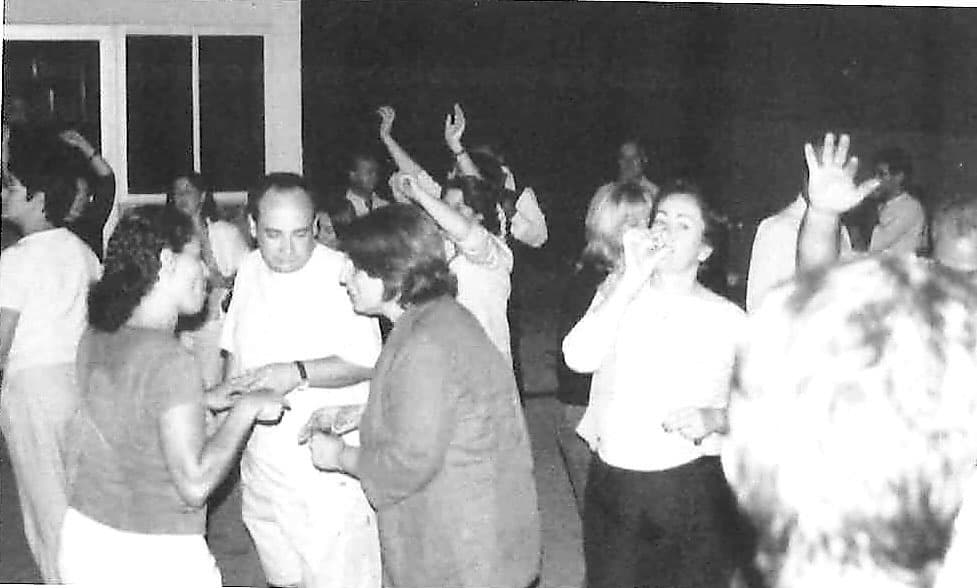
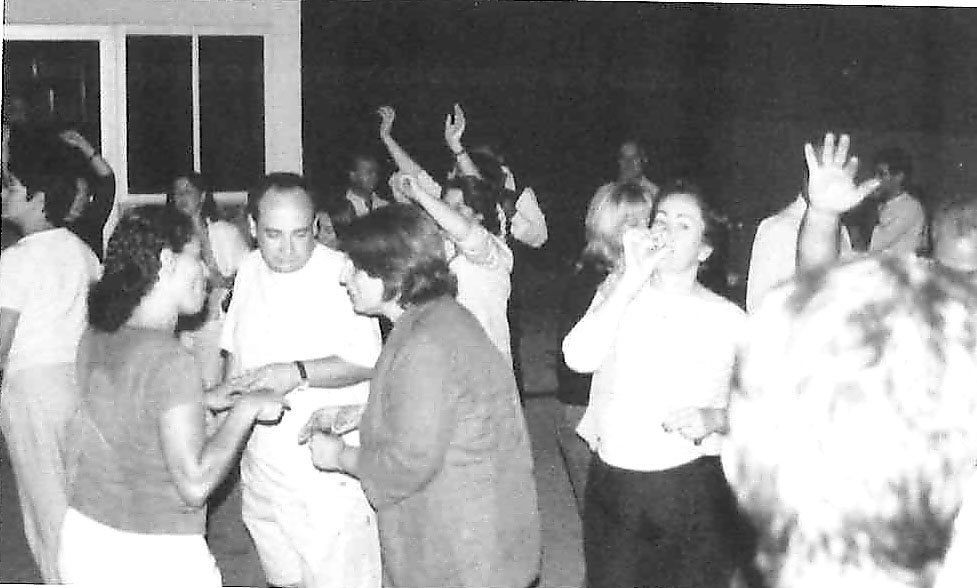
The first dances of the neighbourhood festivities were held in the street.
How the neighbourhood grew
Residents of La Charca according to the town registers, from 1940 to 2004.
| Year | Residents |
|---|---|
| 1940 | 12 |
| 1945 | 17 |
| 1950 | 10 |
| 1955 | 31 |
| 1960 | 66 |
| 1965 | 79 |
| 1970 | 180 |
| 1975 | 253 |
| 1981 | 331 |
| 1986 | 402 |
| 1991 | 357 |
| 1996 | 359 |
| 2001 | 773 |
| 2004 | 904 |
Source: La Charca (1954-2004). Memoria de un barrio.
To remember is to live again
Fifty years after the first building permit, La Charca keeps what made it a neighbourhood: houses built by hand, streets with a history and residents who organise themselves so as not to forget.
On its edges there are still terraced fields and stone walls from the old Fabelo and Don Victoriano estates, the landscape that came before the houses.
La Charca · Memoria de un barrio, 1954-2004
La Charca today
The mill that gave the residents’ association its name, and the sculptures the neighbourhood has gathered since 1995.
- Museum
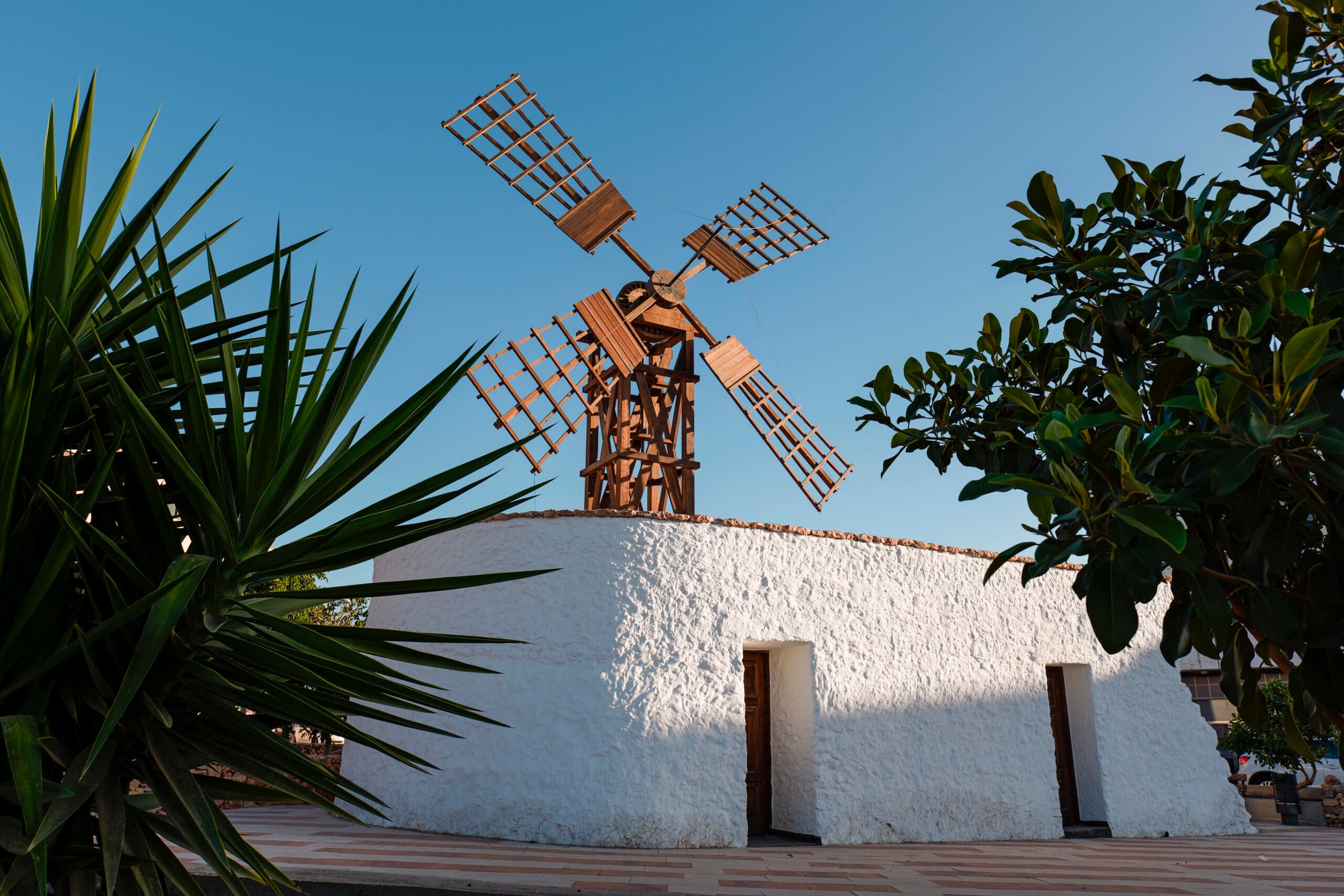
La Molina de La Charca Museum
Puerto del Rosario - Abstract
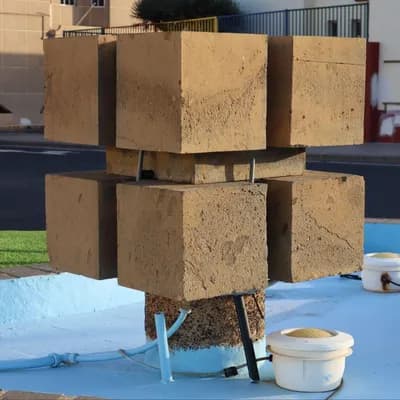
La Cruz de la Española
Lorenzo Mateo CastañeyraLa Charca - Abstract
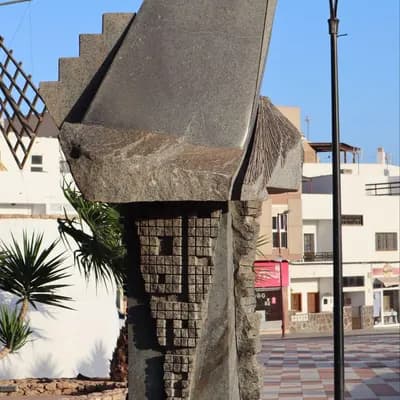
Expansión Rítmica IV
Nicolae FleissigLa Charca - Figurative
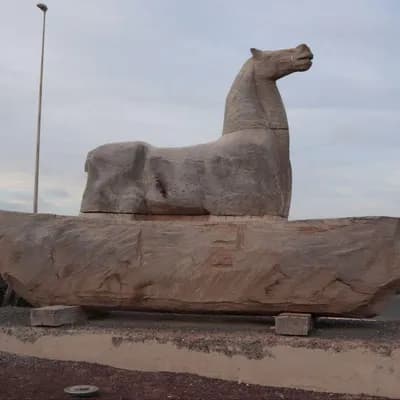
Caballo
Koldobika JauregiLa Charca - Geometric abstract
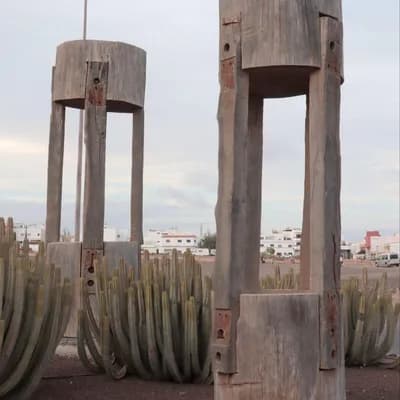
Untitled
Pierre FleissigLa Charca - Another neighbourhood
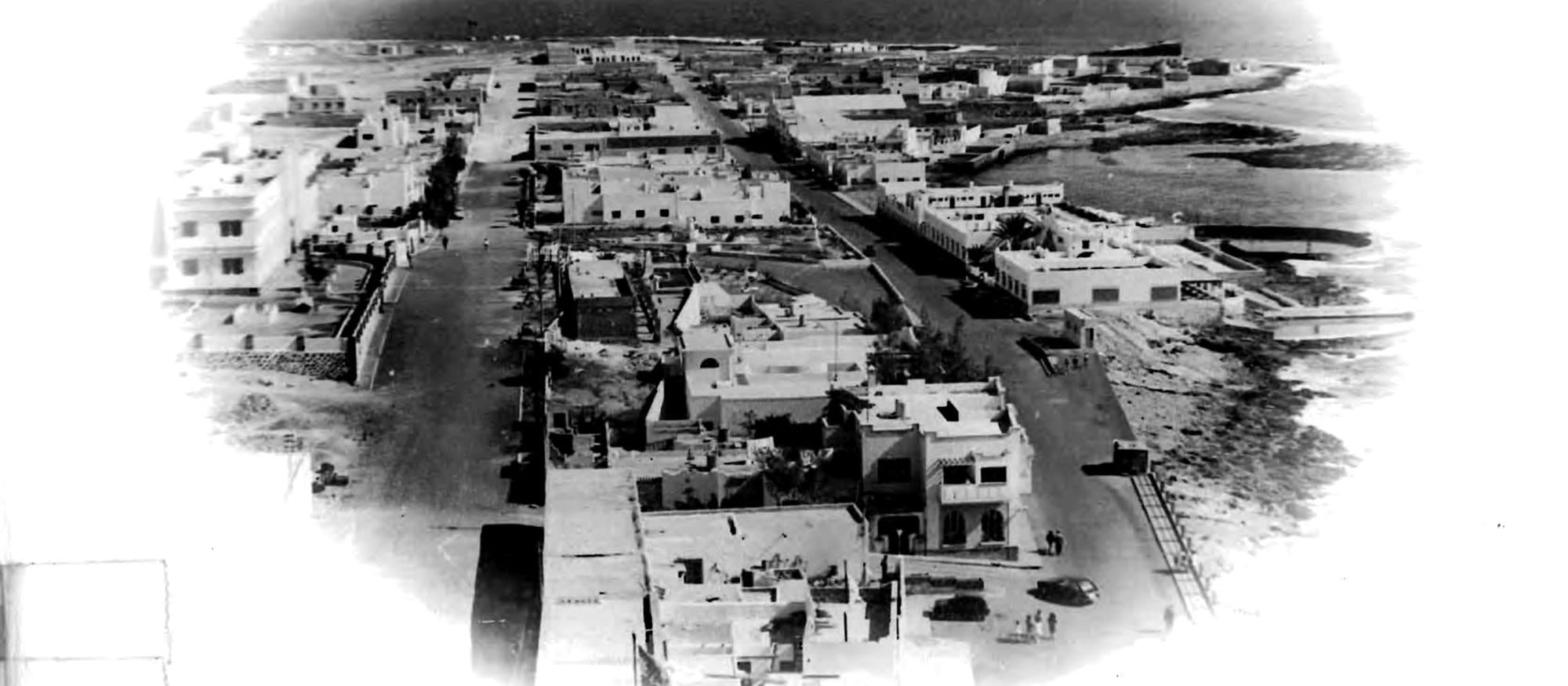
El Charco Neighborhood
From a coastal strip of lime kilns and fishermen’s houses to the heart of the city’s first expansion.
Text based on the book La Charca (1954-2004). Memoria de un barrio by Francisco Javier Cerdeña Armas (2004). Photographs: archive of the La Molina Residents’ Association, except those credited to another photographer in their caption, lent for this page.