· Culture
The banners were about water. But according to one of the accounts of the trip, the request that was most frequently repeated to Alfonso XIII in Puerto de Cabras was a different one: the island’s leaders wanted to do away with that name. They had about three hours to tell him so.
It was April 5, 1906. The 19-year-old king arrived at dawn, and by around 11:00 a.m. he was already on his way to Lanzarote. That same day, his visits to Fuerteventura and Lanzarote marked the end of a tour of the Canary Islands that had begun on March 26 in Santa Cruz de Tenerife. According to Mapping Canarias, it was the first time a Spanish monarch had visited the islands.
A morning with a full schedule
The account posted on the Efemérides blog describes a town decorated with arches, flags, and banners. The banners addressed the problem head-on: the shortage of drinking water and the lack of reservoirs for public supply. Disembarking was easier than at the two previous stops, with calm seas and a small but adequate pier.
Alfonso XIII entered the church, which was still under construction, and donated 200 pesetas to continue the work. He visited the Civil Guard and Infantry barracks, where, according to that same account, he sampled the soldiers’ rations. At City Hall, he listened to the island’s needs and had a light snack before returning to the ship.
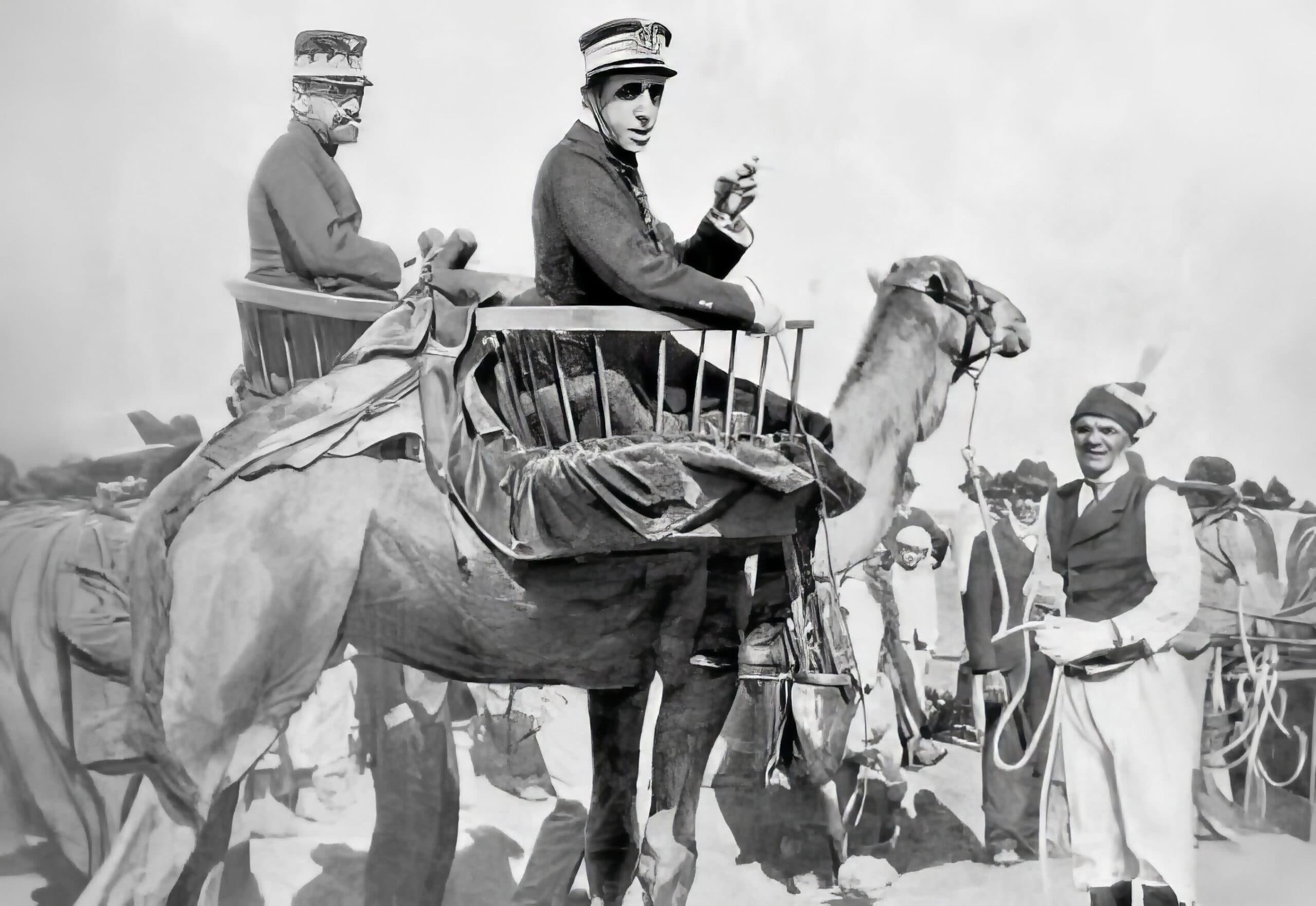
There were camels: on that point, Efemérides and Mapping Canarias agree. As for exactly what they were doing, they no longer see eye to eye, so it’s best to leave it at that.
Two versions of a name change
Sources differ on the name. According to Efemérides, the island’s leaders did not want the town to continue being called Puerto de Cabras and suggested “Puerto Victoria,” in honor of the king’s future wife.
Diario de Fuerteventura describes the scene in reverse: it was the monarch who advocated for the change, because he saw no reason why “a topographical feature” should give its name to an island’s capital. The newspaper adds that the idea did not gain traction.
The name remained in use for another half-century. According to the same newspaper, the City Council initiated the process in February 1955, and the Council of Ministers gave its approval on March 16, 1956. Since then, it has been known as Puerto del Rosario, although the debate has not been entirely settled: in October 2025, the newspaper reported that the El Efequén Heritage Association is attempting to restore the old place name.
A pigeon in the lead
When the ship set sail for Lanzarote, the news got there first. Around 11:00 a.m., according to *Efemérides*, a carrier pigeon announced the departure from Puerto de Cabras. *La Voz de Lanzarote* also recalls that pigeon, which announced the king’s arrival two hours in advance.
José M. Clar Fernández, in his study of the visit, places the arrival in Lanzarote around 1:30 p.m. That same afternoon, the fleet set sail for the Iberian Peninsula, bringing the trip to the Canary Islands to a close.
If you’d like to see it
Head over to the Church of Our Lady of the Rosary and the harbor front in Puerto del Rosario. Sources do not specify the exact location of the 1906 pier, so from the waterfront you’ll have a general view of the scene, though not the exact spot where the landing took place.