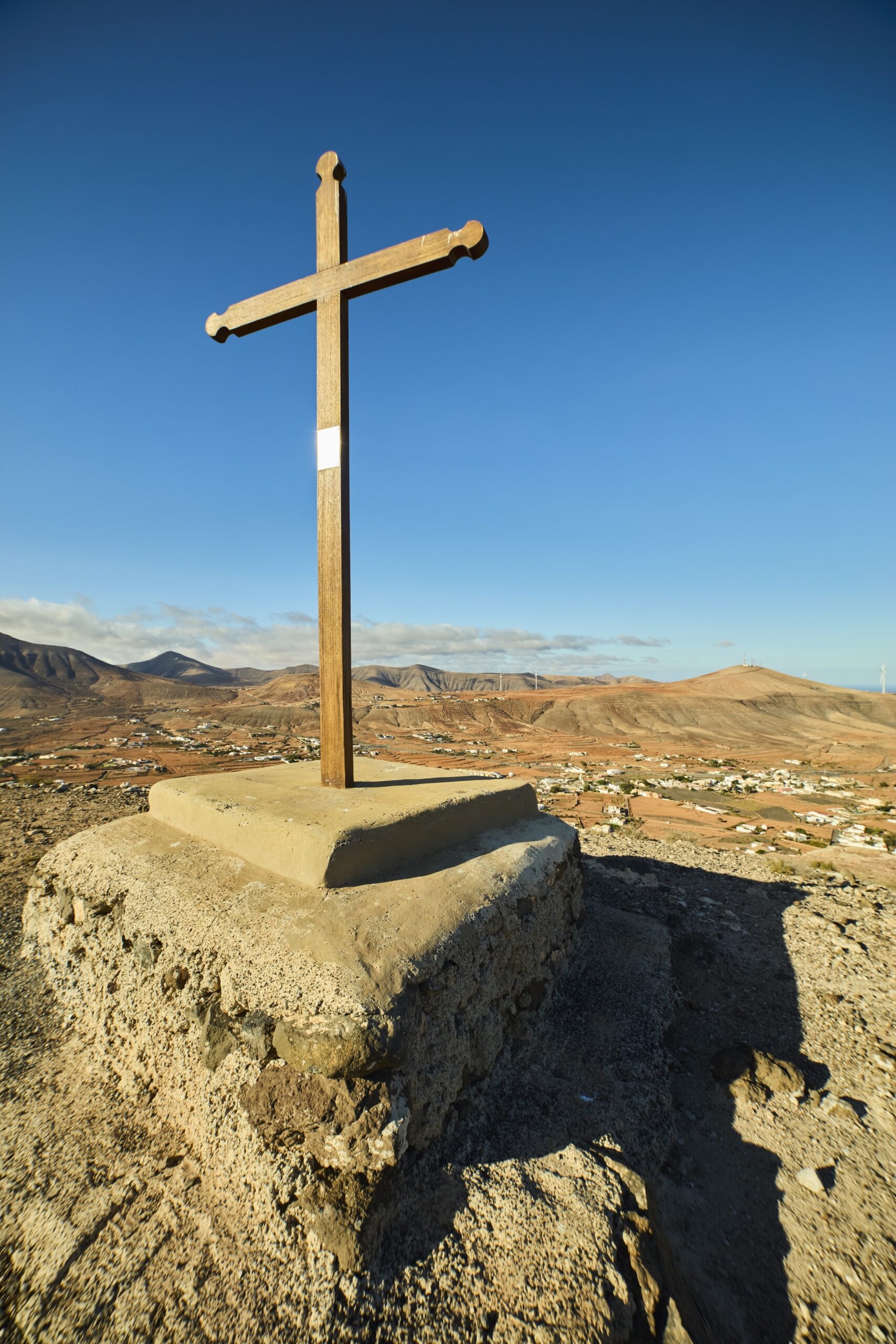
San Andres Cross
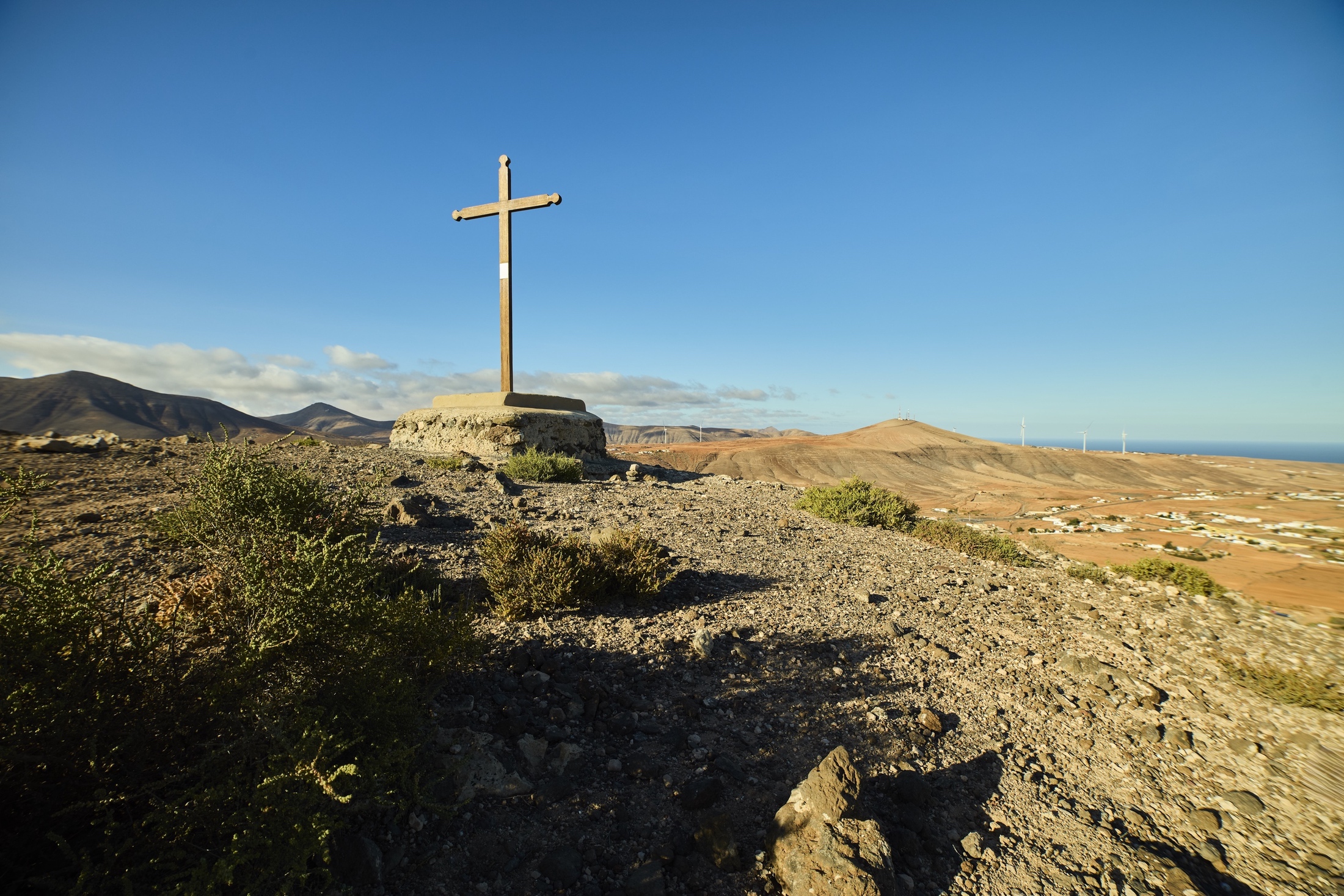
The Cross of San Andrés is one of the most unique elements of the intangible and religious heritage of Tetir, deeply linked to agricultural traditions and ancient prayers for rain in the interior of Fuerteventura.
According to the oldest neighbors of the place, on the eve of the day of San Andrés, the young people of the town used to climb the mountain that bears the name of the saint to light a bonfire or bonfire pit in his honor. Although the exact origin of this practice is unknown, it is believed that it functioned as a warning or signal announcing the celebration of the festivity the following day.
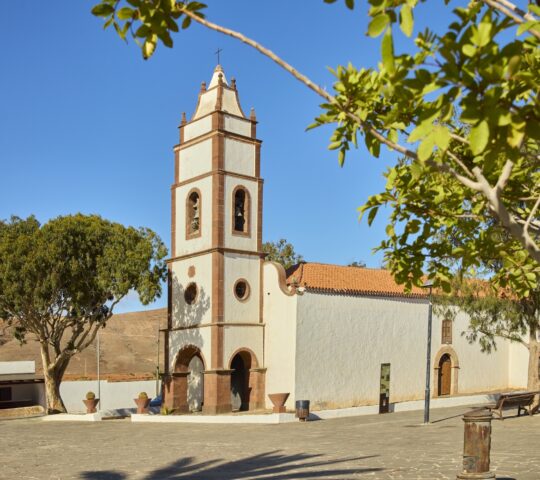
On St. Andrew’s Day, the neighbors gathered at the church of Santo Domingo de Guzmán, from where the religious procession departed. The participants would come armed with umbrellas, aware that the rain could come at any moment. The pilgrimage was headed by the parish cross and the venerated image of the saint, which advanced accompanied by the faithful in procession towards the so-called crucita de San Andrés.
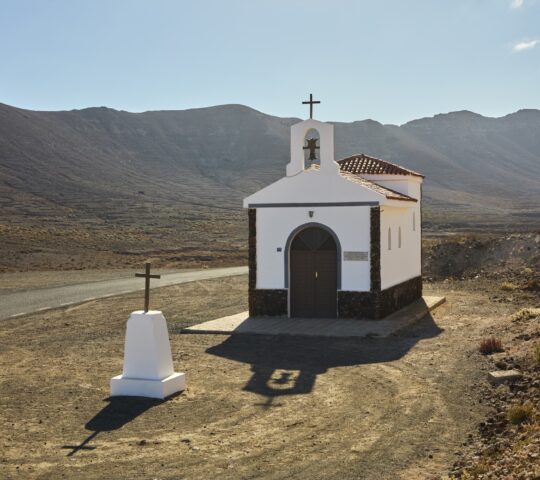
During the walk, the litanies of the rain were intoned, imploring the saint to intercede so that the water would reach the fields. Upon reaching the cross of the old hermitage, located behind the mountain, a prayer loaded with symbolism was recited. According to oral tradition, people even threatened to throw the saint down the mountain if he did not send the much-needed rain, a gesture that reflects the desperation and deep dependence on the climate in the agricultural economy of Majorca.
On the way back to the parish church the Holy Rosary was prayed, and once back in the temple a popular song was sung that has endured in the collective memory of the people:
“The whole valley of Tetir is crying in pain,
from Time to La Asomada is already all dried up.
Guisgey and La Matilla, Sordo and Tamariche are already,
with Rincón and Ampuyentilla,
swept away by the gale.”
The Cross of San Andres symbolizes today the union between faith, tradition and landscape, and is a living testimony of ancient popular beliefs and the historical relationship between the rural community of Tetir and the natural water cycle in Fuerteventura.