Jarugo Raspberry
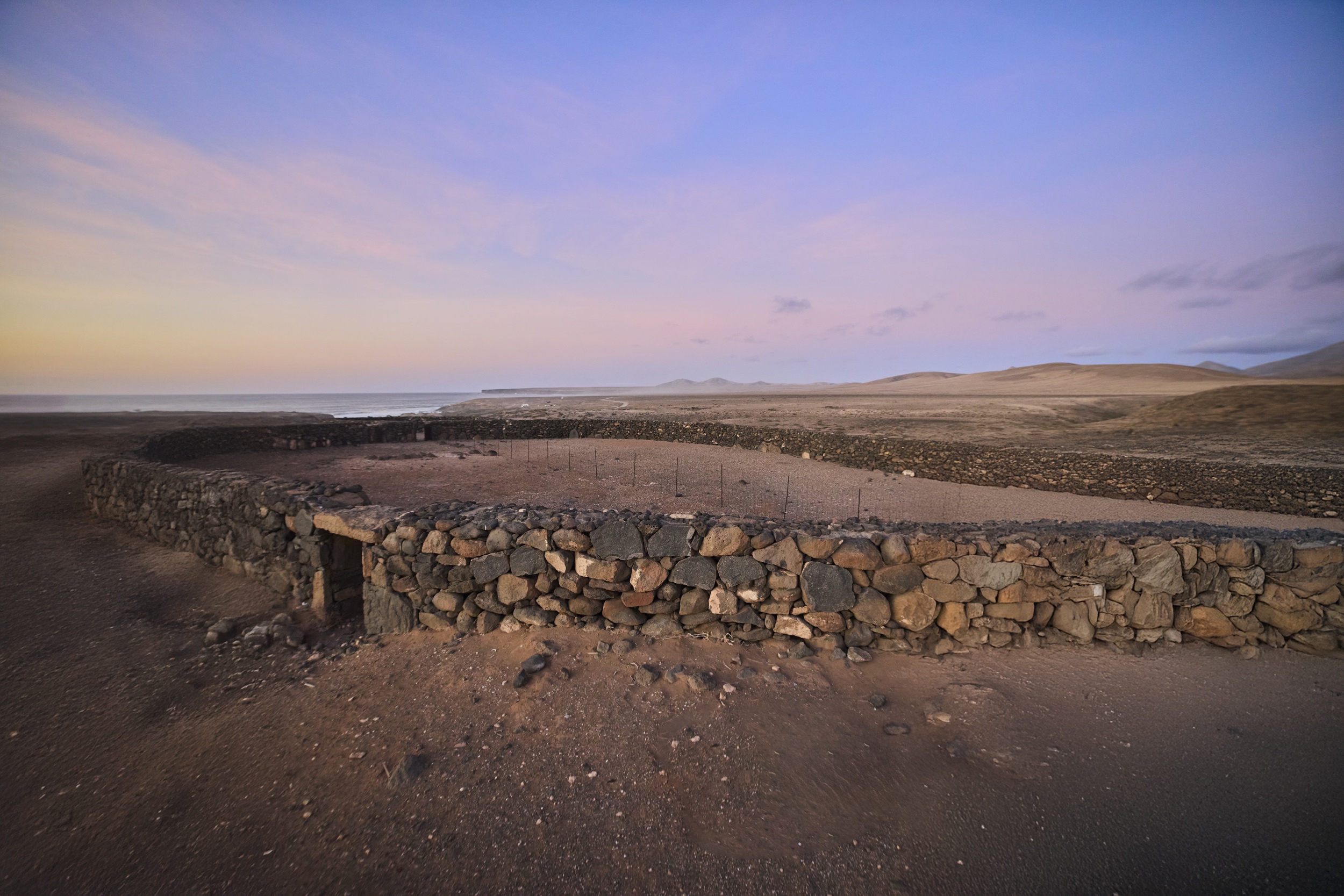
Gambuesa de Jarugo: Living testimony of traditional shepherding in Fuerteventura.
La Gambuesa de Jarugo is one of the most representative examples of livestock and ethnographic heritage of Fuerteventura. Located in the vicinity of Playa de Jarugo, in the municipality of Puerto del Rosario, this dry stone construction is part of an ancient system of land use that has remained virtually unchanged since pre-Hispanic times to the present.
The gambuesas are traditional corrals used for the development of the apañadas, a fundamental community practice in the majorera culture that consists of gathering the coastal livestock -mainly goats that live in semi-wild regime- for control, identification and exploitation. These actions make it possible to check the condition of the animals, mark new specimens, scapegoat baifos, select cattle for domestic herds or for sale and consumption, always under well-established traditional rules.
From a constructive point of view, the Gambuesa de Jarugo has a circular floor plan, built entirely of dry stone, without the use of mortar or mortar. Its walls, of considerable height and thickness, are designed to resist the thrust of livestock and the rigors of the climate, demonstrating a deep knowledge of the environment and the materials available. Other smaller corrals are usually attached to this main enclosure, where the animals are progressively separated during the herding process.
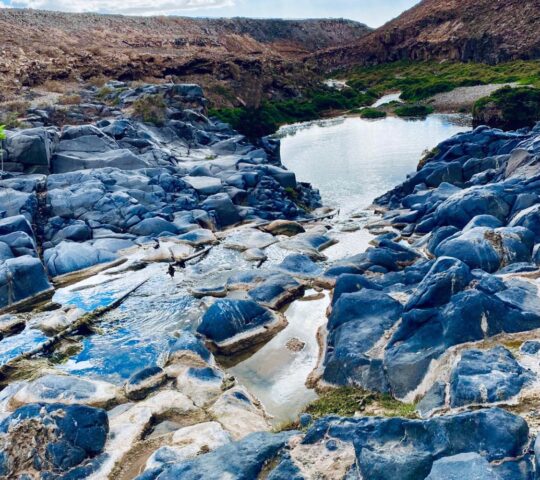
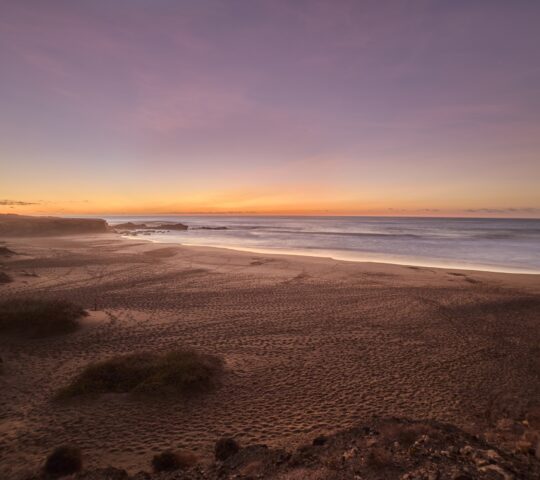
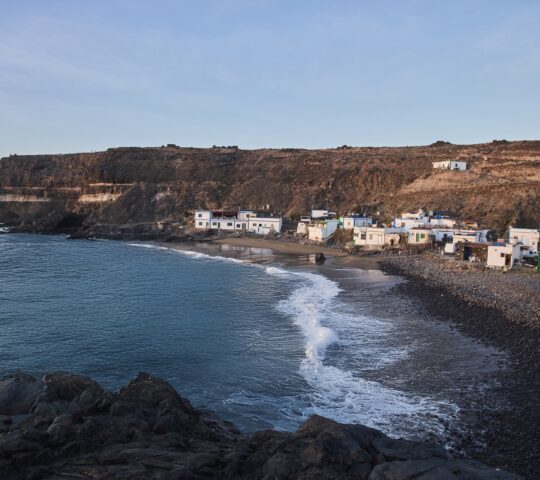
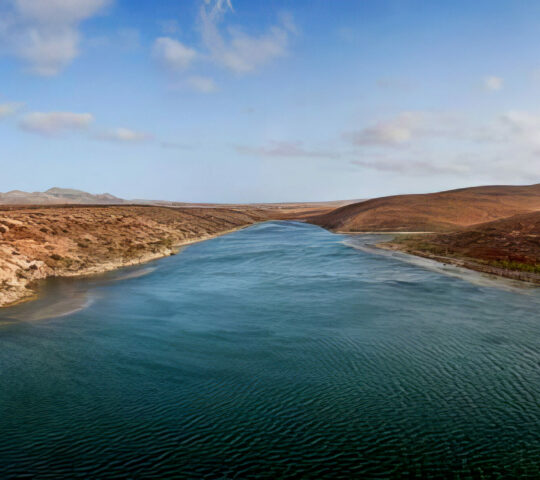
Its location, just a ten-minute walk from Jarugo Beach in the direction of Los Molinos Beach, makes the visit an accessible and highly recommended experience for those who wish to get to know the interior of the pastoral landscape of the west coast. The route runs through an environment of great natural value, combining the rugged coastline, ravines and plains historically used for grazing.
The importance of the Gambuesa de Jarugo goes beyond the architectural. It represents a living testimony of the traditional social and economic organization of Fuerteventura, as well as the respectful relationship between humans and a territory marked by scarce resources. In addition, the apañadas preserve a rich linguistic heritage, with terms of majo origin that are still in use in popular speech, and maintain traditional tools that continue to be used today.
Visiting the Gambuesa de Jarugo is to enter one of the most authentic expressions of the majorera identity. A place where history is not only preserved in stone, but in the continued use, in the collective memory and practices that remain part of the cultural landscape of Fuerteventura.