Merendero Casa de Felipito
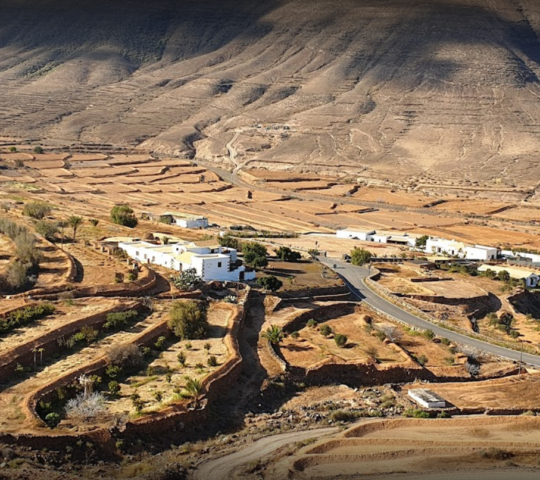
La Casa de Felipito, also known as Casa de Felipito el Feo, is located on the Llano del Triguero estate, an area traditionally dedicated to the cultivation of cereals, at the confluence of the Barranco de La Herradura ravine and the area of El Time, very close to the village of Guisguey, within the municipality of Puerto del Rosario.
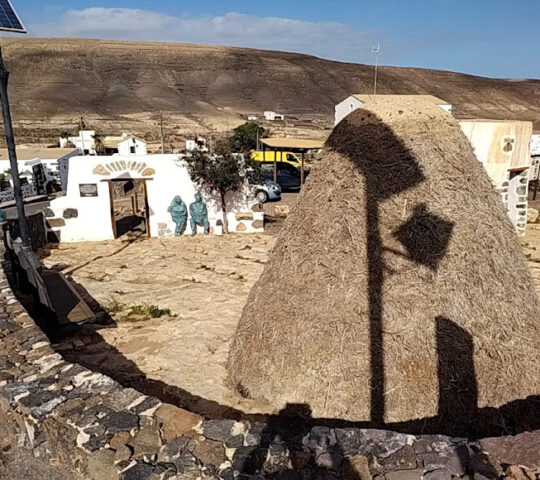
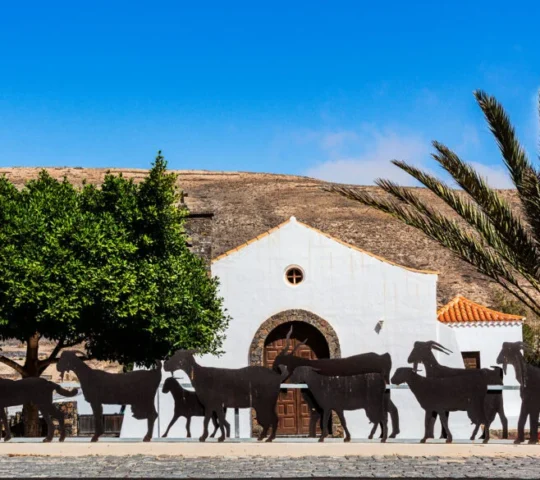
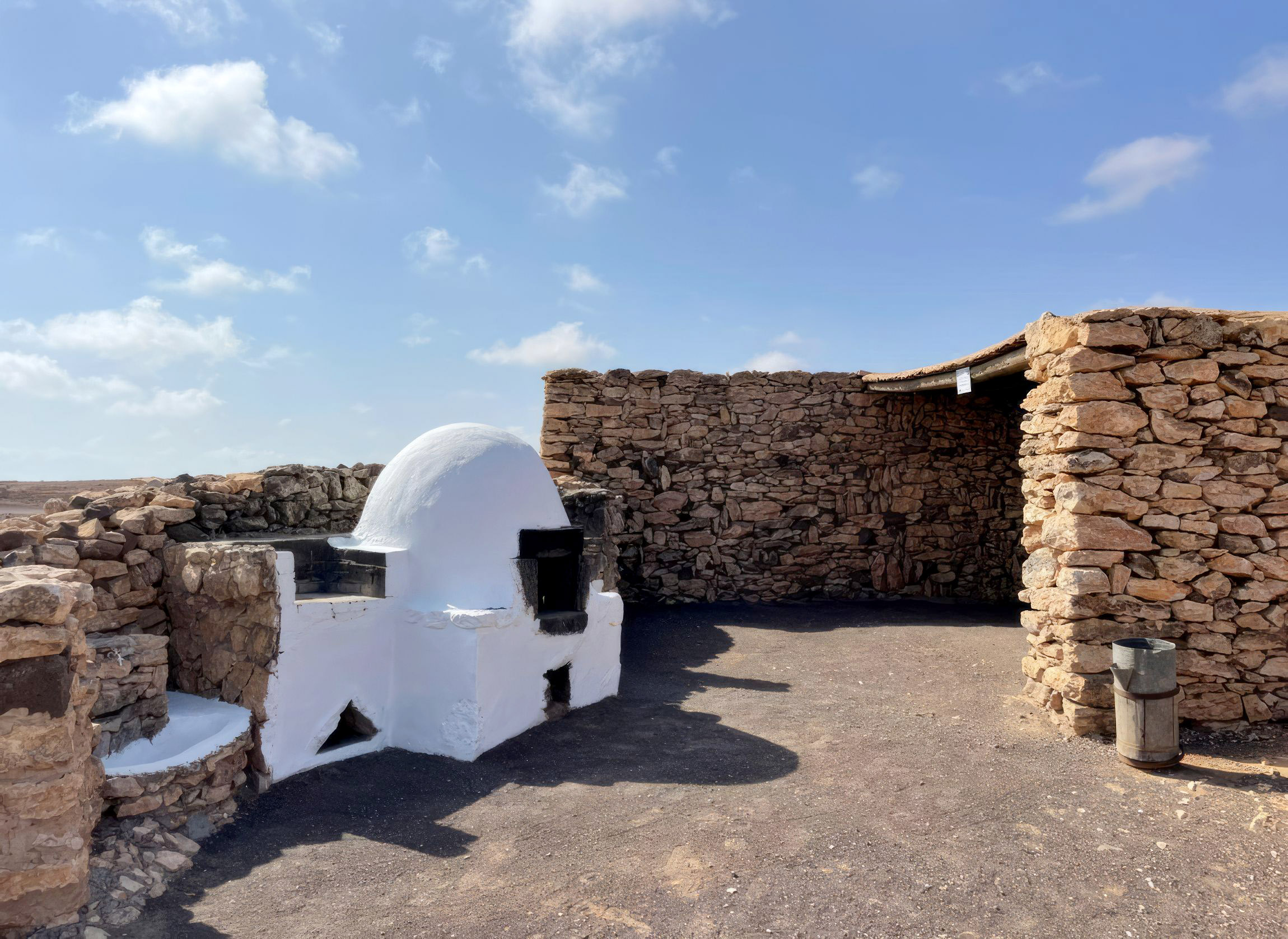
Today, this enclave is a public picnic and recreational area, integrated into the Museum Network of the Cabildo of Fuerteventura, where the way of life of the peasant population of Fuerteventura in the early twentieth century is preserved and recreated.
A place to enjoy and learn about rural history
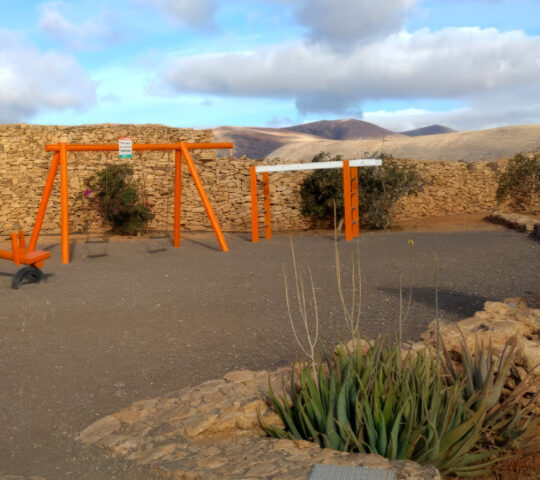
The site was opened to the public in May 2002, after a process of restoration and refurbishment that transformed the former agricultural farm into a place for recreational and cultural use. It currently has:
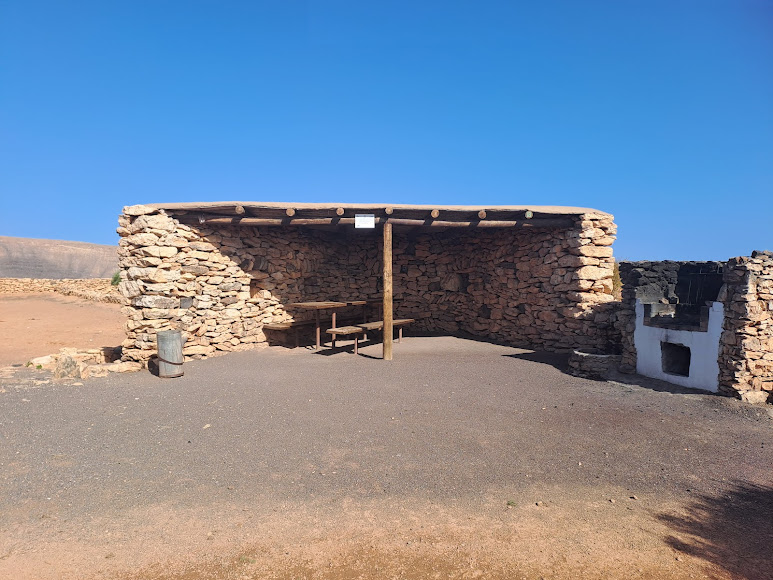
- Barbecue areas
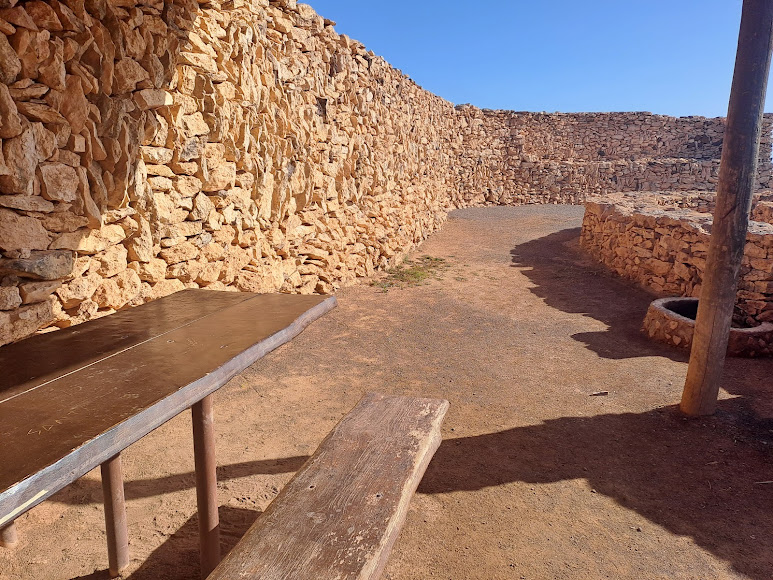
- Roofed tables and benches, protected from the sun and the wind
- Playground
- Canary ball courts
- Native and adapted vegetation, such as bougainvillea, aloe vera, pomegranate, fig and olive trees.
All this makes Casa de Felipito an ideal place for relaxation, family gatherings and outdoor enjoyment, in a quiet environment in the interior of the island.
Felipito’s house and life
The original house belonged to Felipe Ruiz González, popularly known as Felipito, a singular character of the Majorero countryside at the beginning of the 20th century. He lived in this house with his parents, in a humble peasant dwelling, consisting of three rooms and a sobrado or upper room, typical of traditional rural architecture.
Both the house and the whole farm have been restored respecting its original structure, allowing the visitor to understand how the living conditions of the rural population of Majorca used to be.
An example of a fight against the territory
Felipito was the owner of extensive lands that he himself was responsible for transforming to make them arable. His work is considered by the Cabildo of Fuerteventura as an exceptional example of adaptation to the island environment.
Throughout his life:
- He built limestone walls, some more than three meters high, to protect the crops from wind and stray cattle.
- He took advantage of the rock of the land itself to create agricultural surfaces
- Built gullies, turnpikes, drains and pipes to channel rainwater from the surrounding plains
All this system was made only with the work of their hands, reflecting the effort, perseverance and survival capacity of the majorero peasantry in the face of a harsh and windy environment.
A human and heritage legacy
Felipito dedicated a large part of his life to building walls, corrals and agricultural structures, pursuing the dream of cultivating the land in a soil dominated by limestone. His farm and his house are today the material testimony of that daily struggle.
Single and simple life, Felipe Ruiz Gonzalez went down in local history also for being the first majorero died in the old Hospital Viejo, a building that now houses the Popular University of Puerto del Rosario. La Casa de Felipito is not just a picnic area: it is a space where nature, history and culture come together to show visitors how the rural identity of Fuerteventura was forged, based on effort, ingenuity and a deep connection with the land.