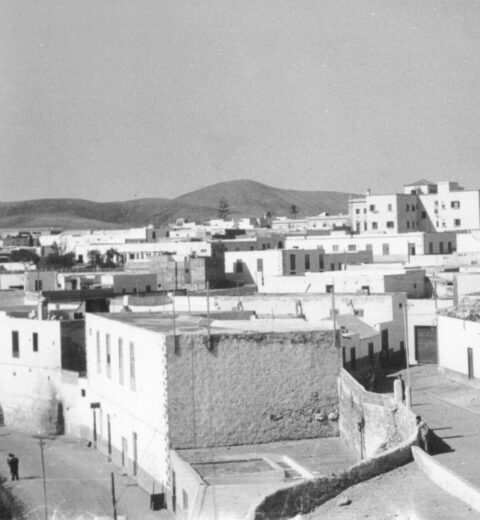
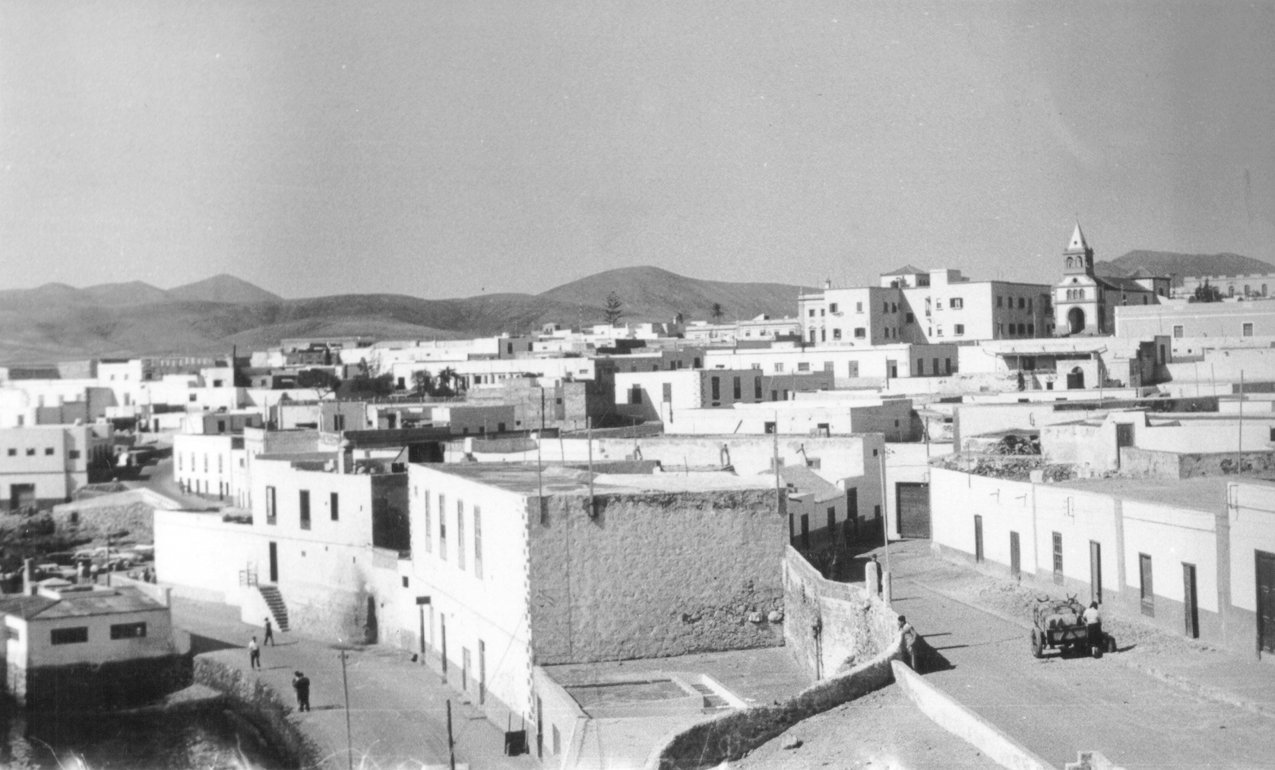
Before being called Puerto del Rosario, the current capital of Fuerteventura was known for centuries as Puerto de Cabras, a name directly linked to its relationship with the sea, trade and economic history of Fuerteventura. Knowing Puerto de Cabras is to understand how a small coastal anchorage eventually became the main urban and administrative center of the island.
A natural harbor since the 15th century
The bay of Puerto de Cabras was used since the 15th century as a natural refuge for boats and a stopover point for the supply of water, food and livestock. At that time there was no stable settlement, since the environment lacked pastures and had poor, sandy and saline soils, unsuitable for agriculture.
For centuries, this enclave served as an occasional port, especially at times when other areas of the coast were more exposed or dangerous. The fear of Berber attacks caused many ships to avoid this eastern coast, preferring more protected ports such as those on the west coast. Even so, Puerto de Cabras never ceased to be a strategic point.
The first houses and the birth of the village
The first stable constructions around the bay date back to 1795, marking the beginning of the growth of the population center. At the beginning of the 19th century, Puerto de Cabras was still a modest place, made up of mud and stone huts, with a population of barely more than fifty inhabitants.
However, its geographic location and its connection to maritime trade meant that it gradually began to gain importance over other ports on the island.
The commercial boom of the 19th century
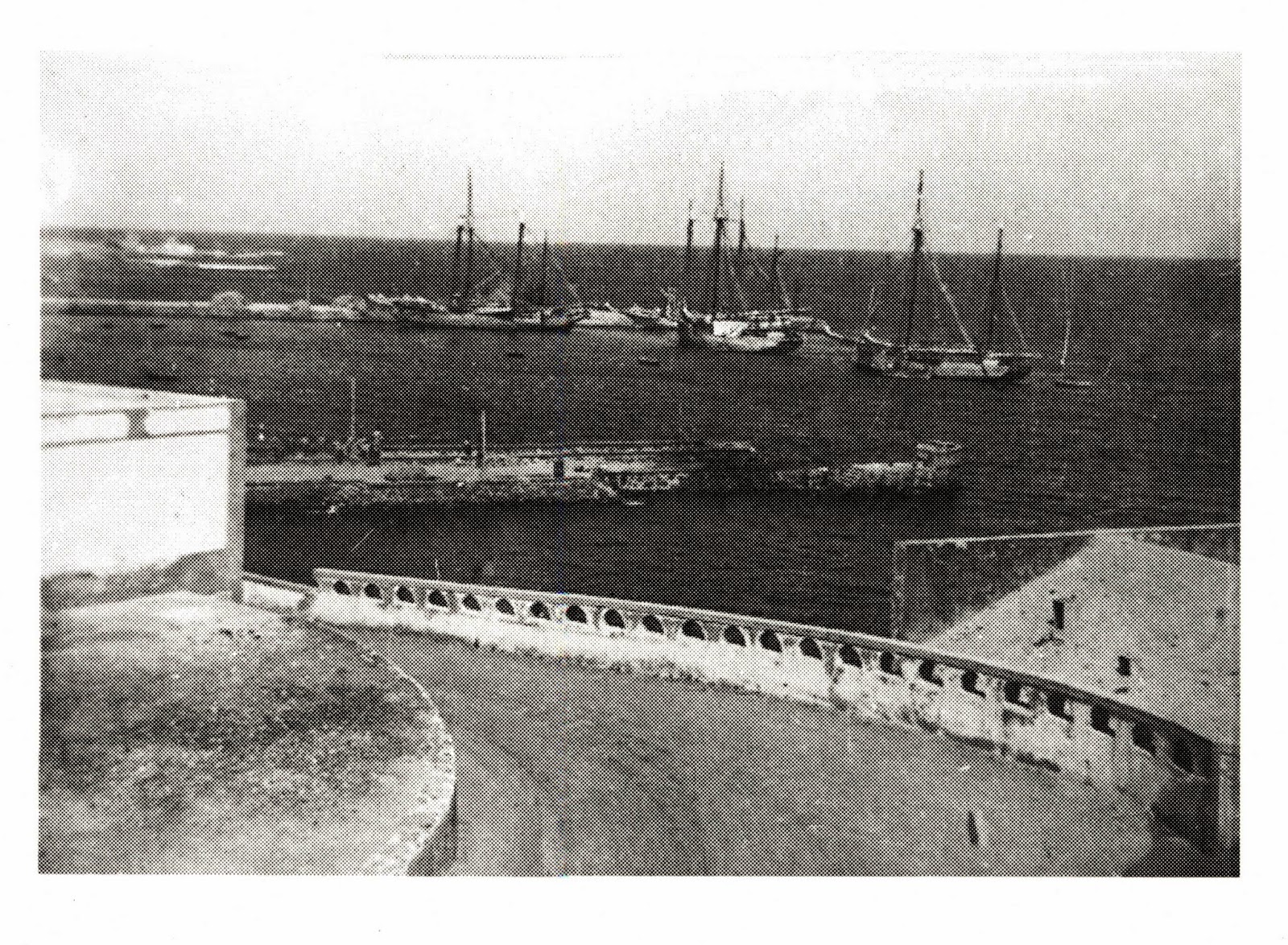
Puerto de Cabras’ great impulse came during the 19th century, when it was consolidated as an exporting port for key products of the Majorero economy:
- Barrilla
- Cereals
- Cochineal
- Cal
In the vicinity of the port, lime kilns were installed and intense commercial activity developed. This economic growth attracted population, merchants, vice-consulates and services, causing a notable demographic and social advance.
In 1834, Puerto de Cabras was emancipated from the municipality of Tetir and was constituted as its own municipality, forming its first town hall in 1835. In the mid-nineteenth century, the nucleus had already reached the insular capital, becoming the political and administrative center of Fuerteventura.
The dock and major infrastructures
Between 1890 and 1895 the municipal wharf was built, financed by the local commercial bourgeoisie, a decisive infrastructure for the development of the port. Later, in the first decades of the 20th century, the port facilities were expanded and fundamental works were carried out, such as the La Charca water reservoir, which improved the supply of water to the population.
Despite these advances, Puerto de Cabras also suffered periods of decline, especially due to prolonged droughts, plagues and the massive emigration of Majoreros to America.
From Puerto de Cabras to Puerto del Rosario
In 1956, the municipality officially adopted the name of Puerto del Rosario, in reference to the devotion to the Virgin of the Rosary, patron saint of the town. The change of name symbolized a new stage, more urban and institutional, without breaking with the seafaring past that gave rise to the city.
Since the early twentieth century, Puerto del Rosario houses the headquarters of the Island Council of Fuerteventura, consolidating its role as administrative capital of the island.
A visible legacy in today’s city
Today, the old Puerto de Cabras is still present in the urban layout, in its direct relationship with the sea and in spaces such as the port, the maritime avenue and the historic center. A stroll through Puerto del Rosario is a journey through the evolution of a small livestock wharf to a modern, open and dynamic capital.
Puerto de Cabras, living memory of the sea
Puerto de Cabras is not just an old name: it is the founding memory of the capital of Fuerteventura. A place born of the sea, forged by trade and resistance in a harsh territory, which knew how to transform over time without losing its essence. To know its history is to understand the soul of Puerto del Rosario and its close relationship with the Atlantic Ocean.